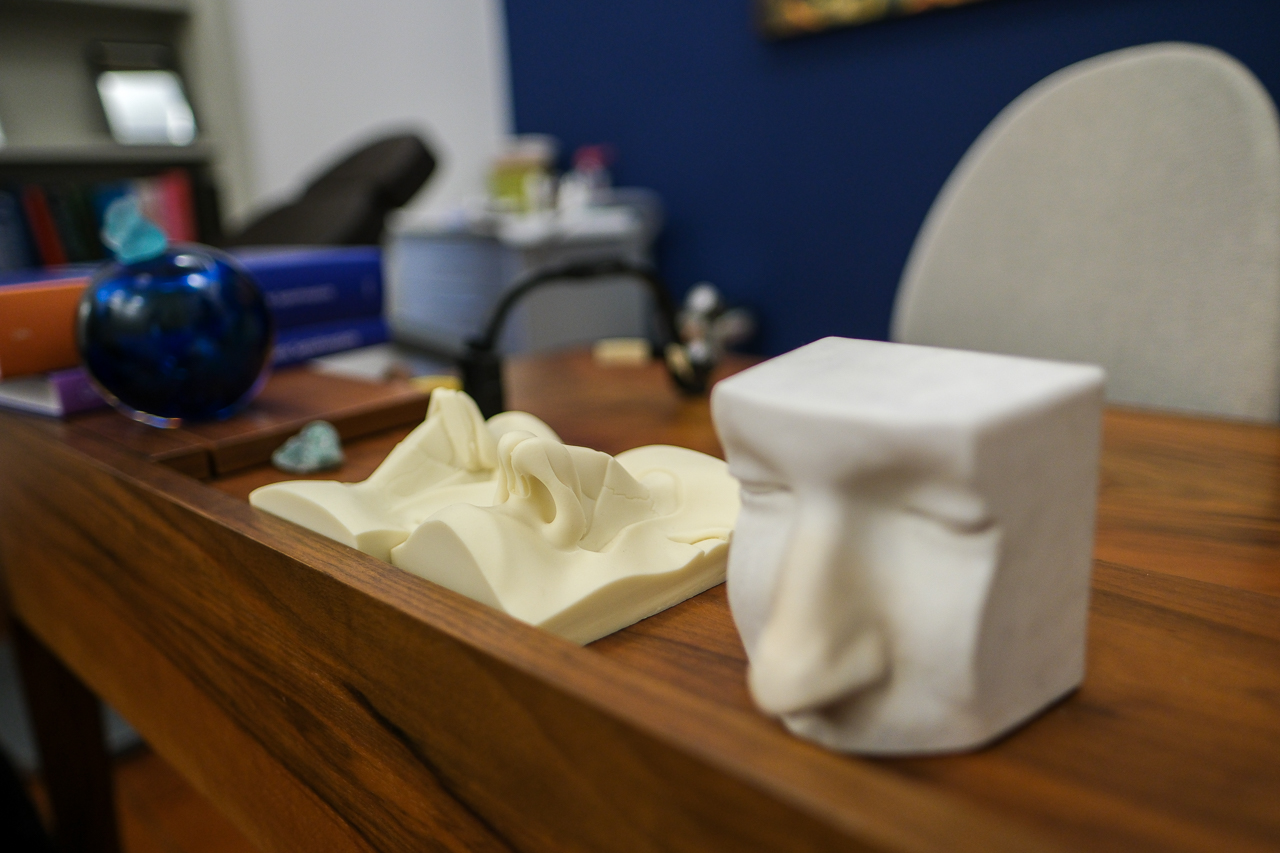
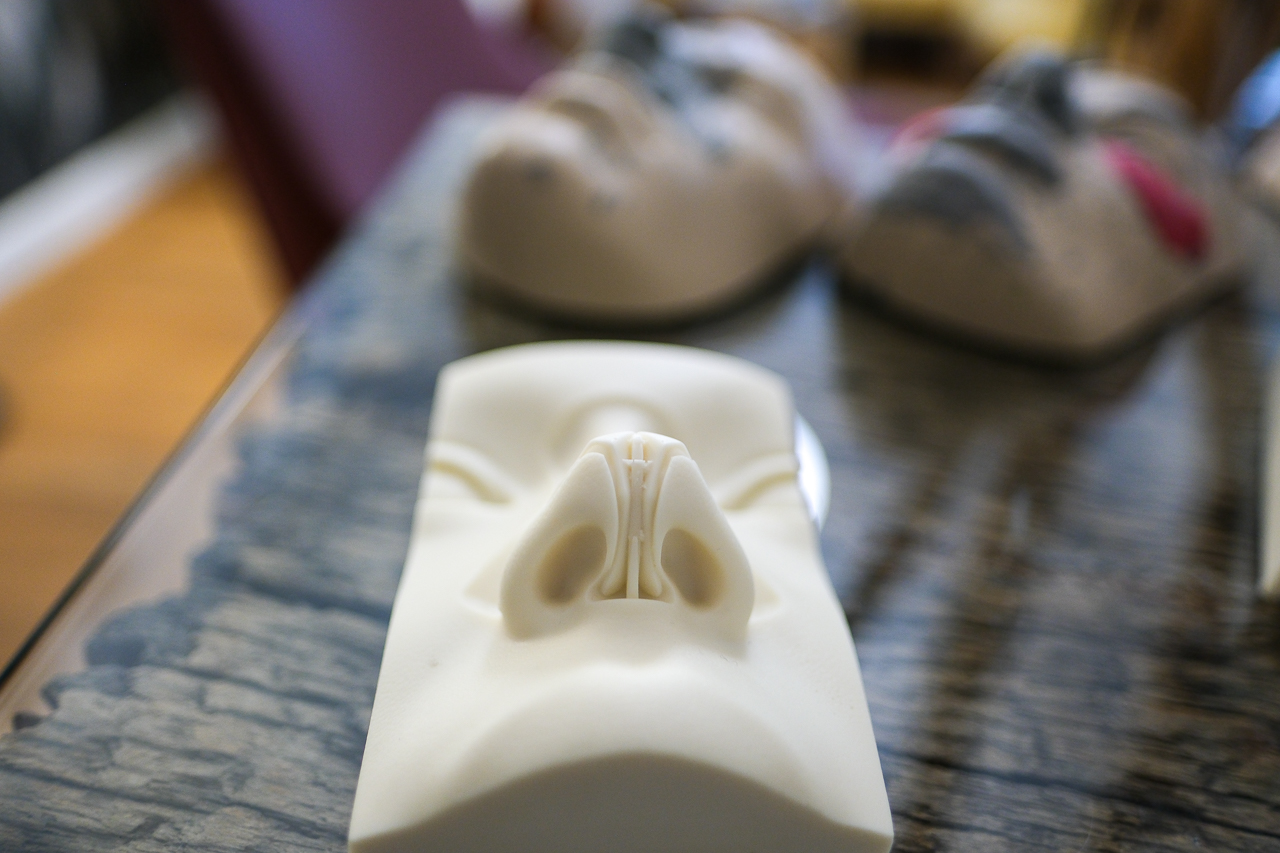
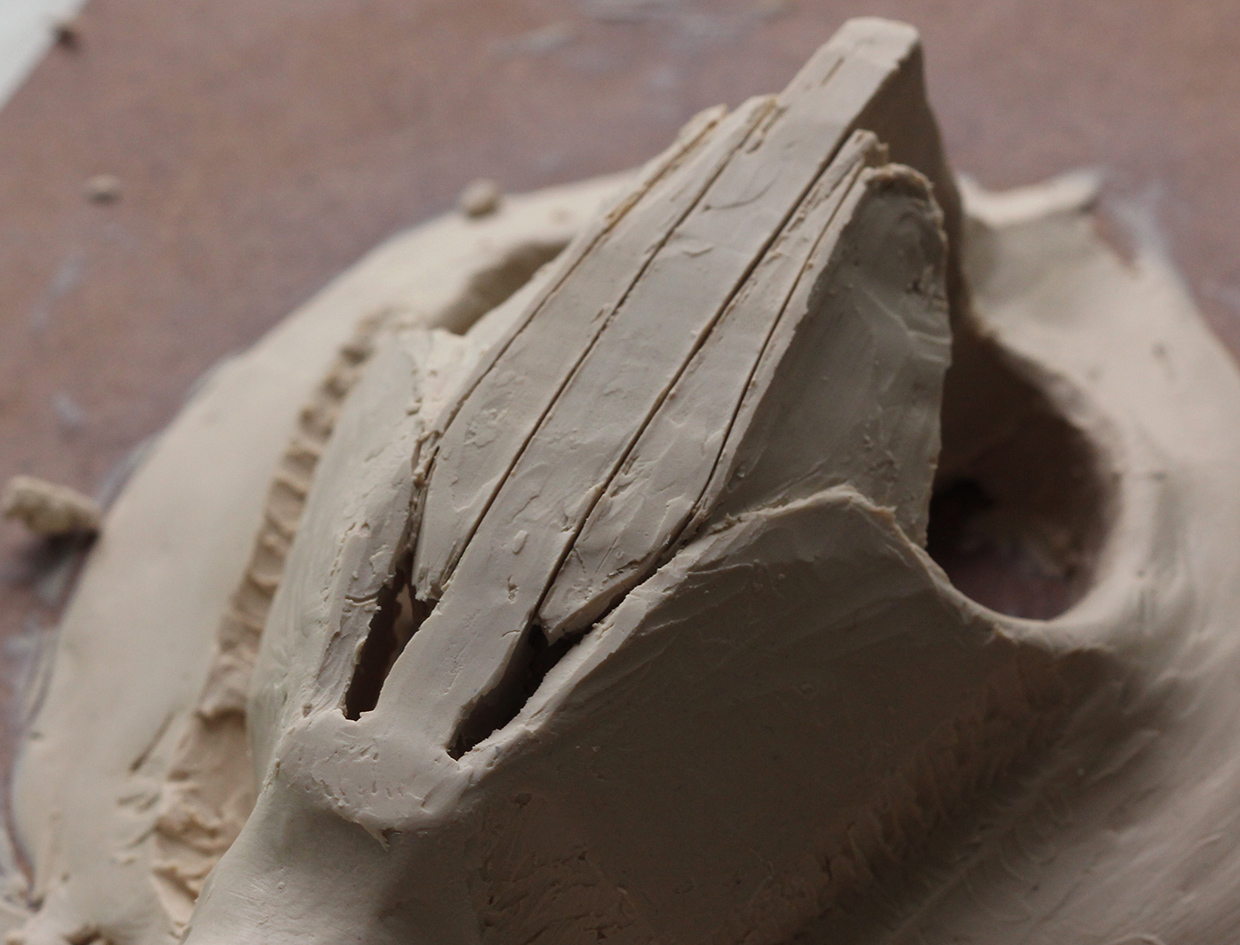
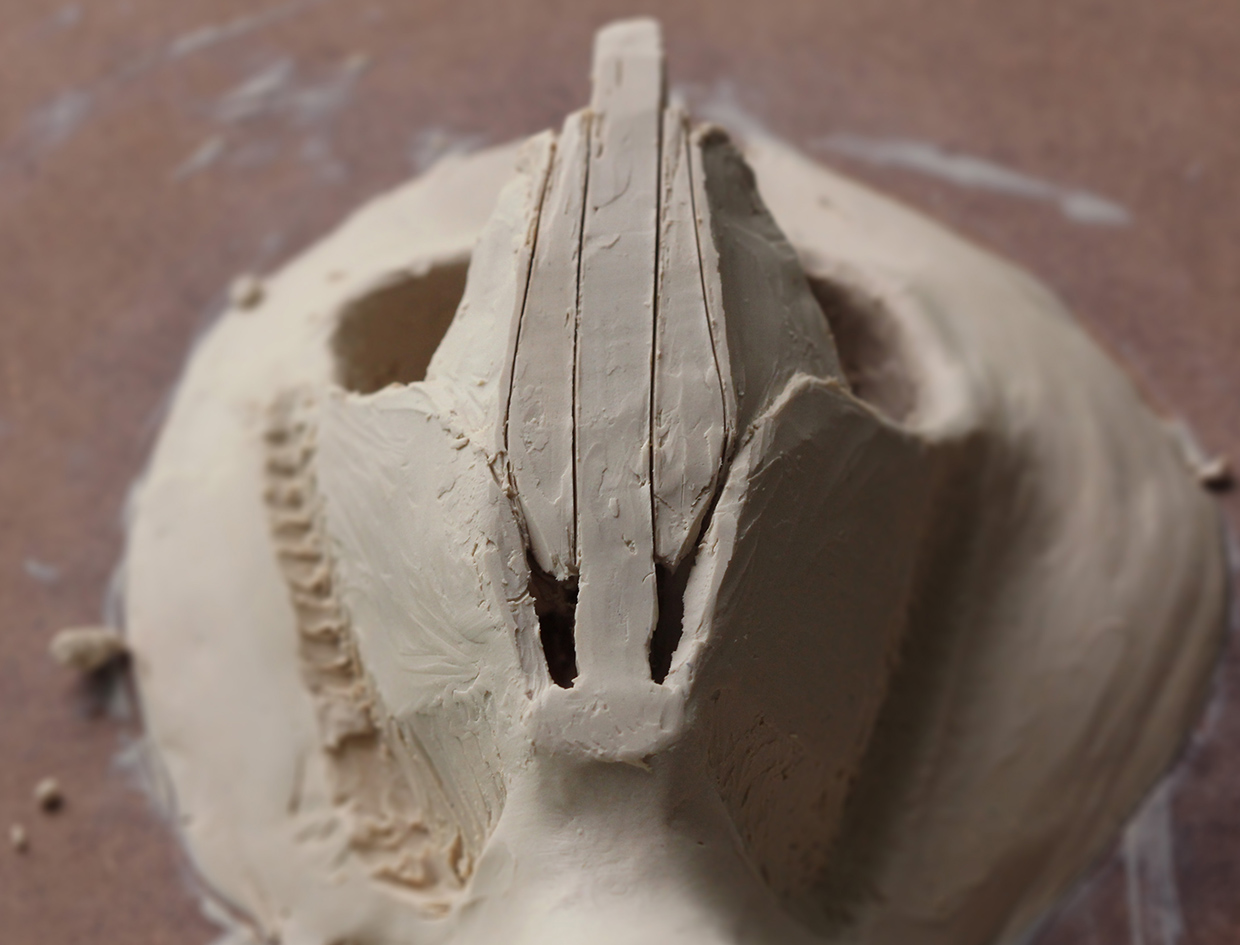
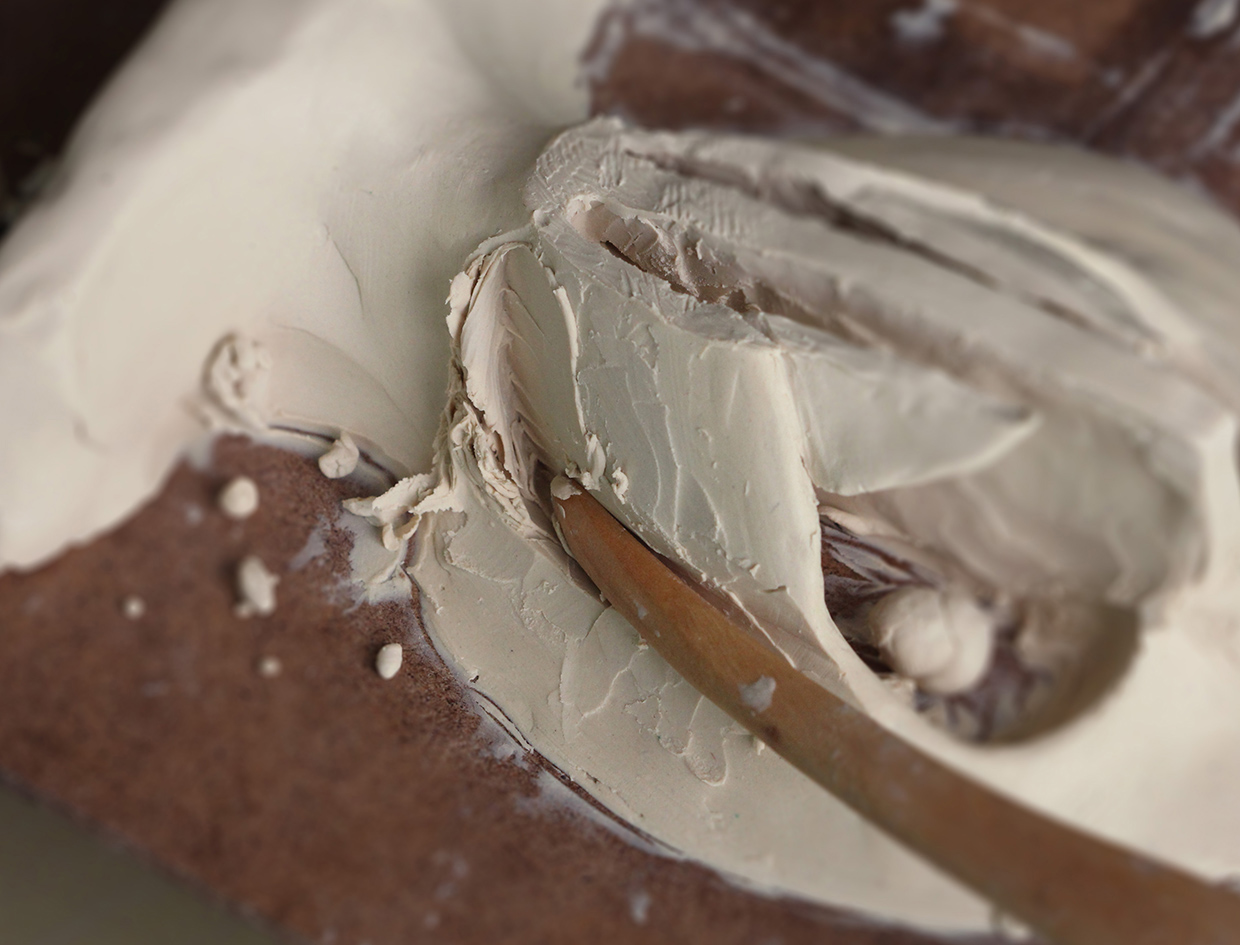
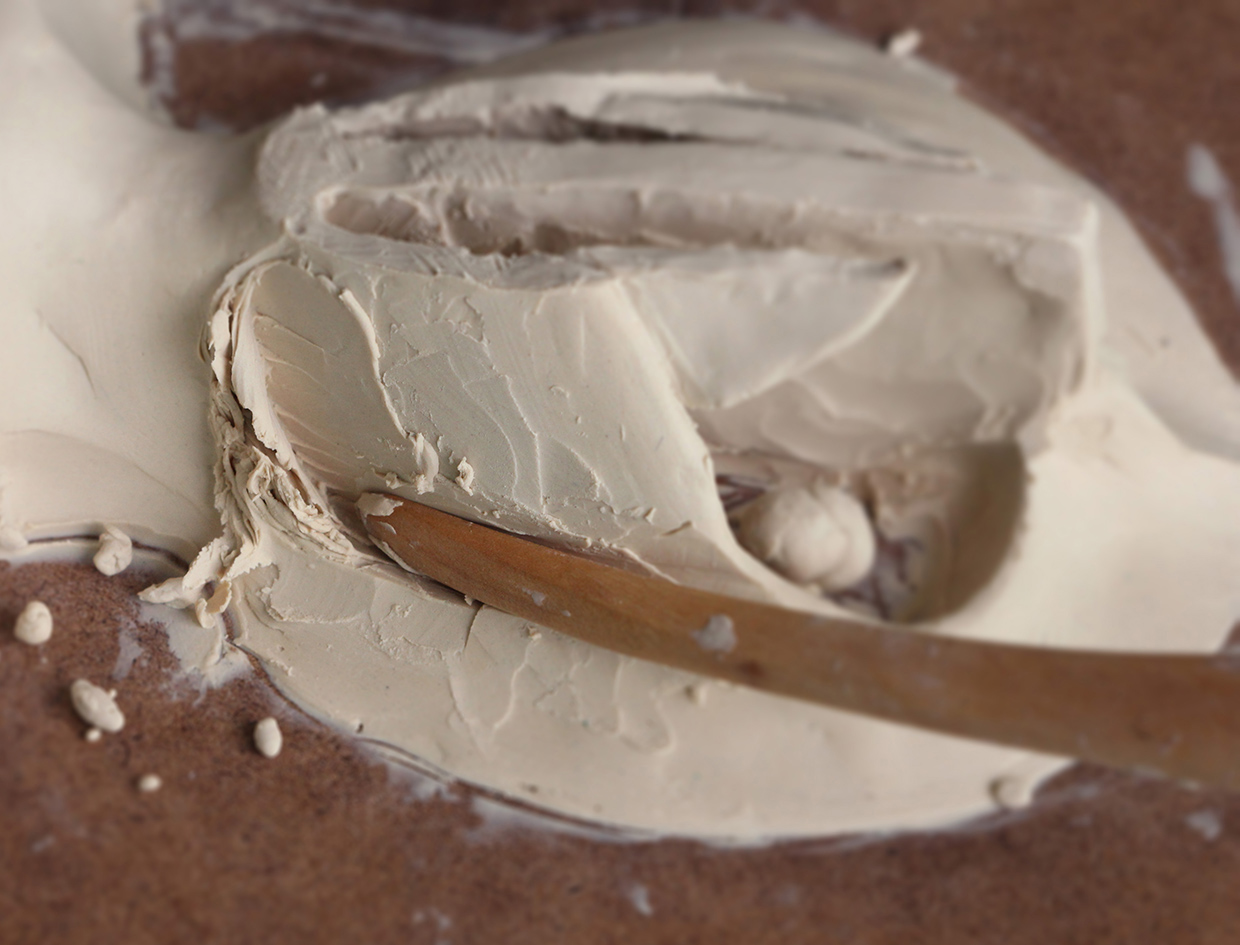
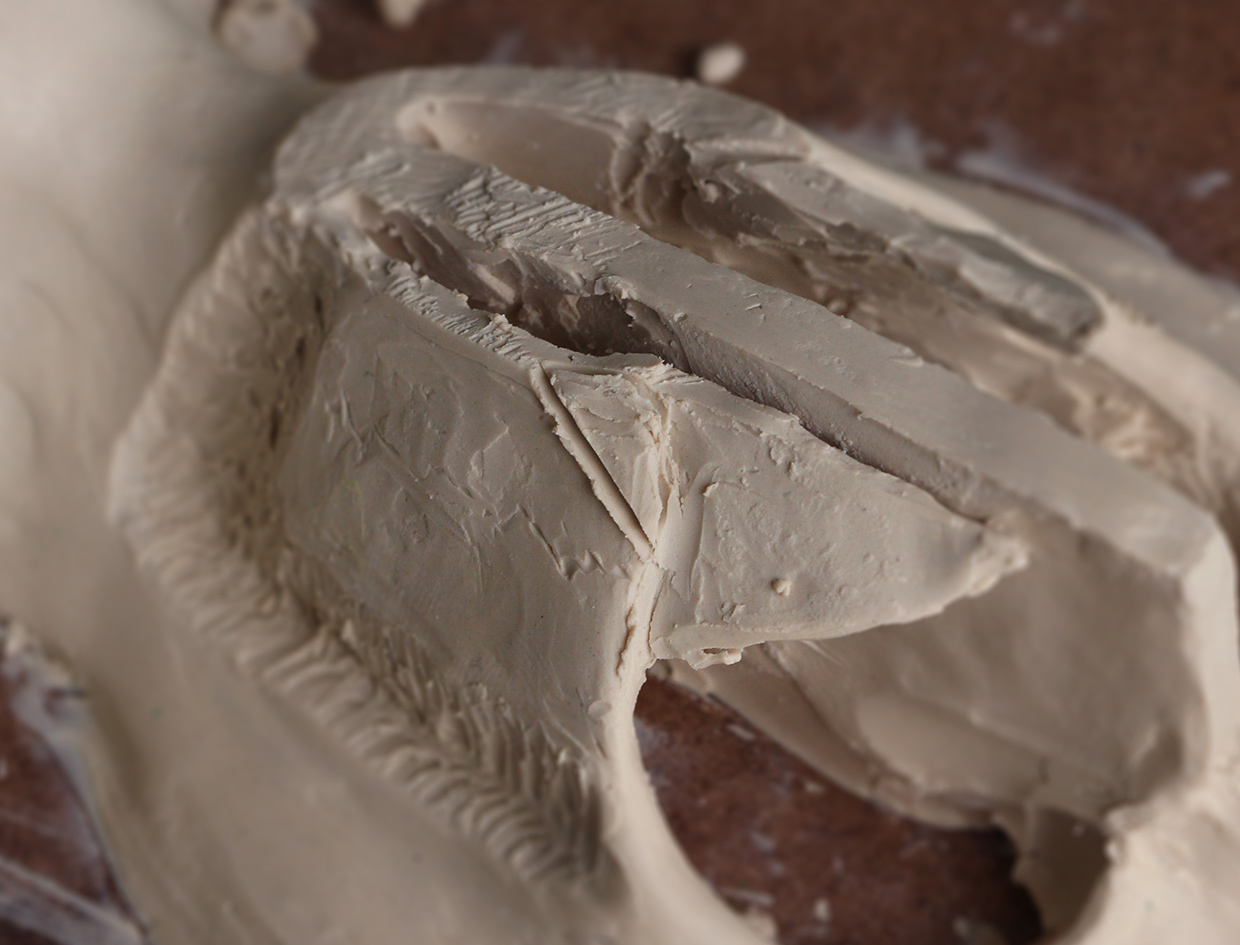
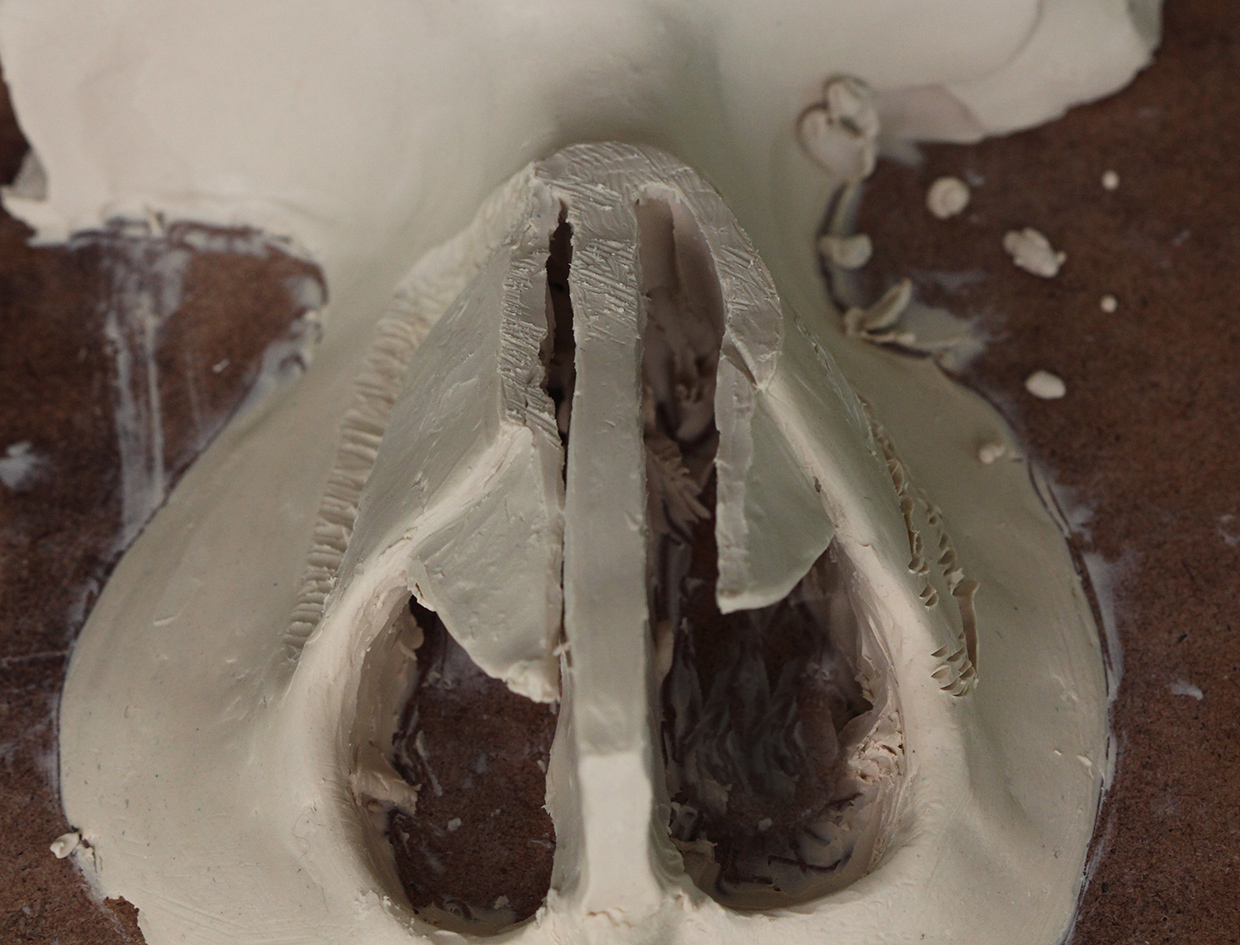
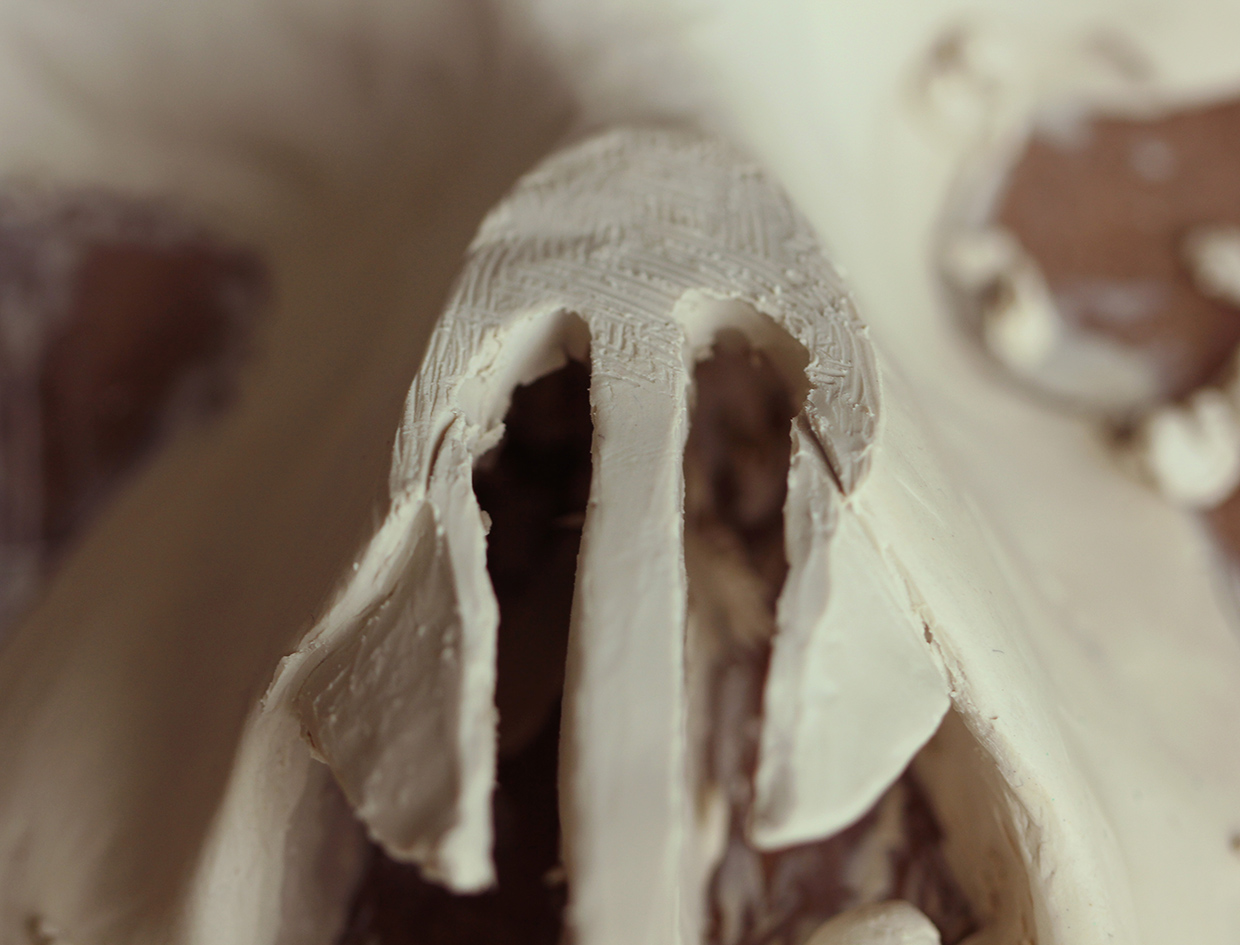
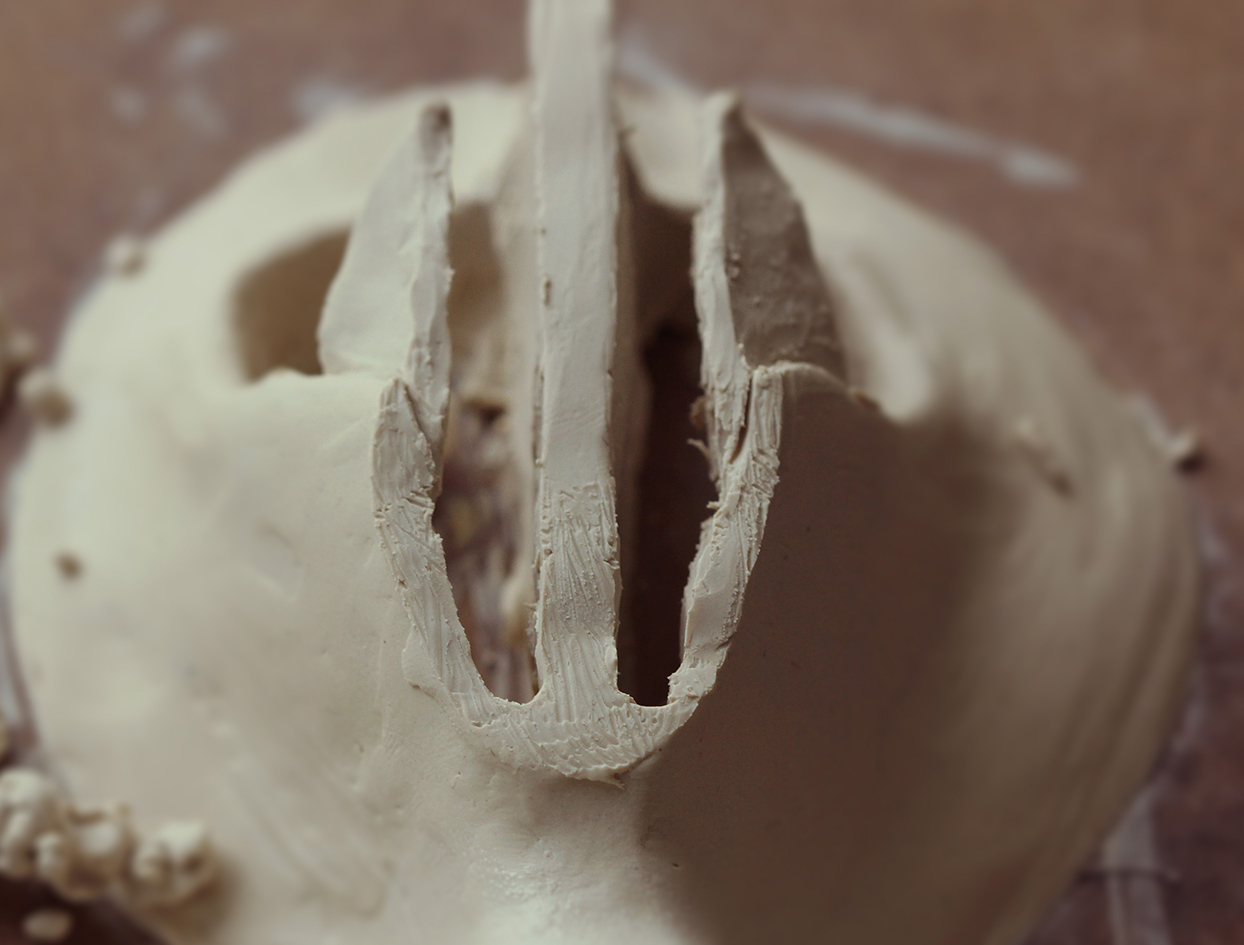
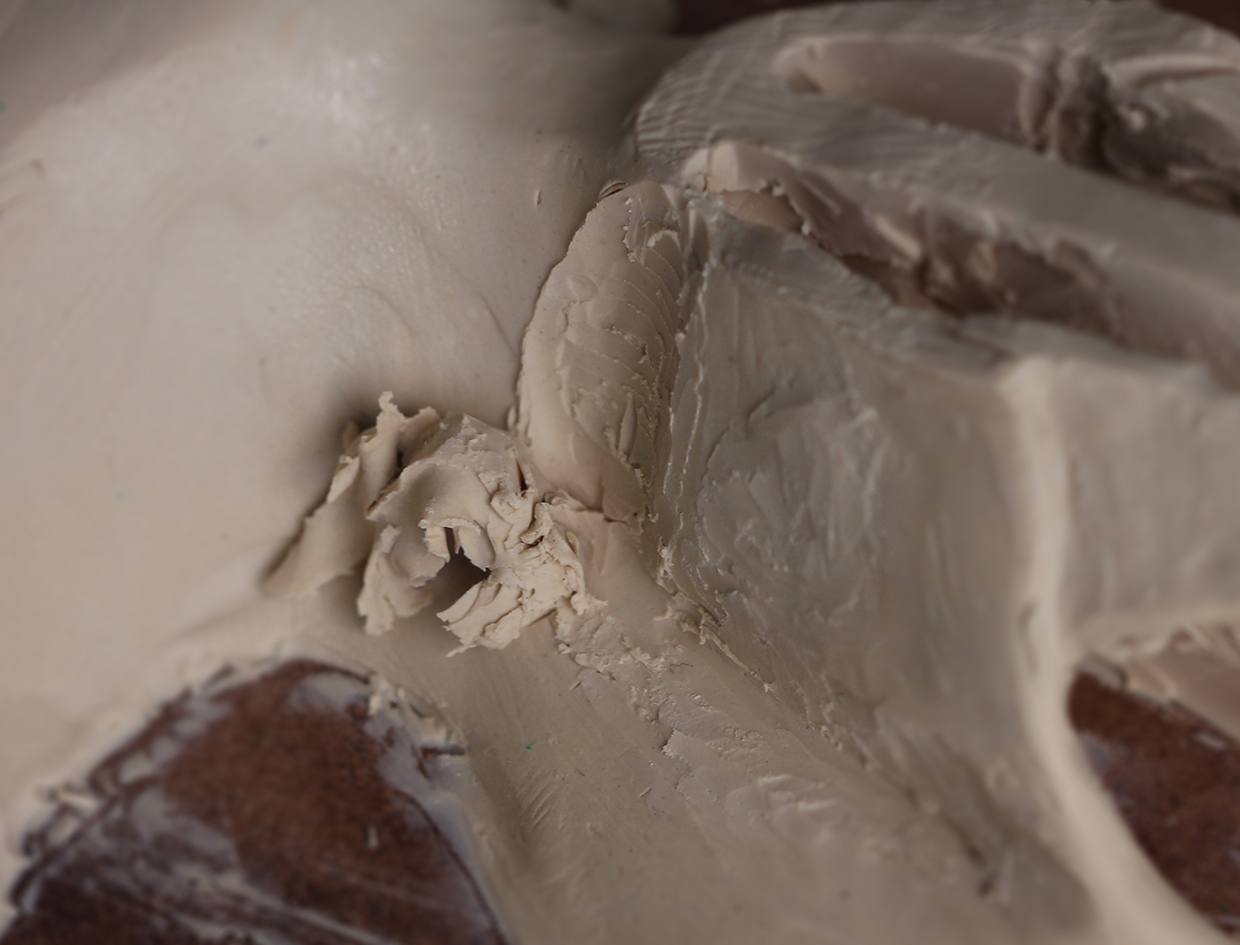
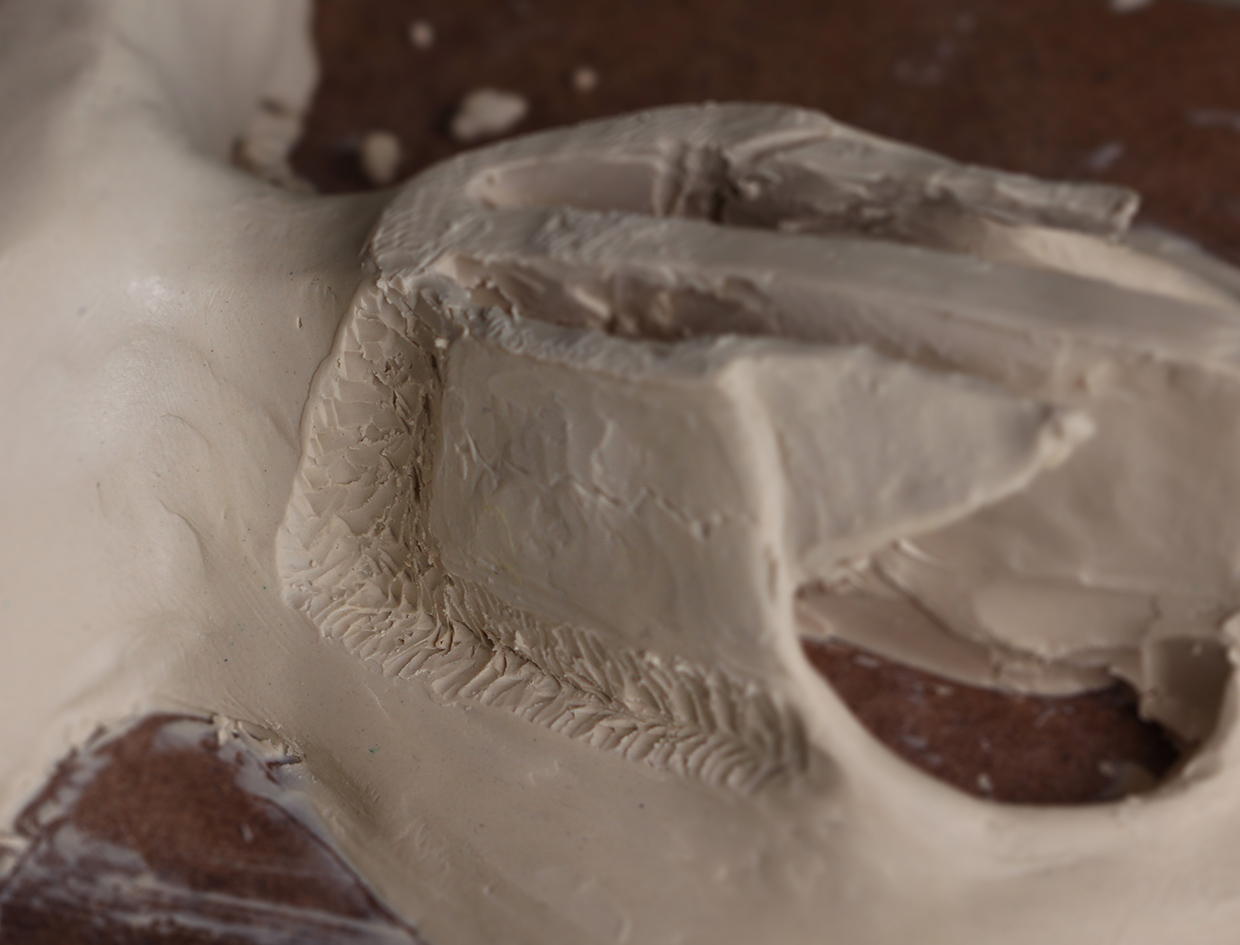
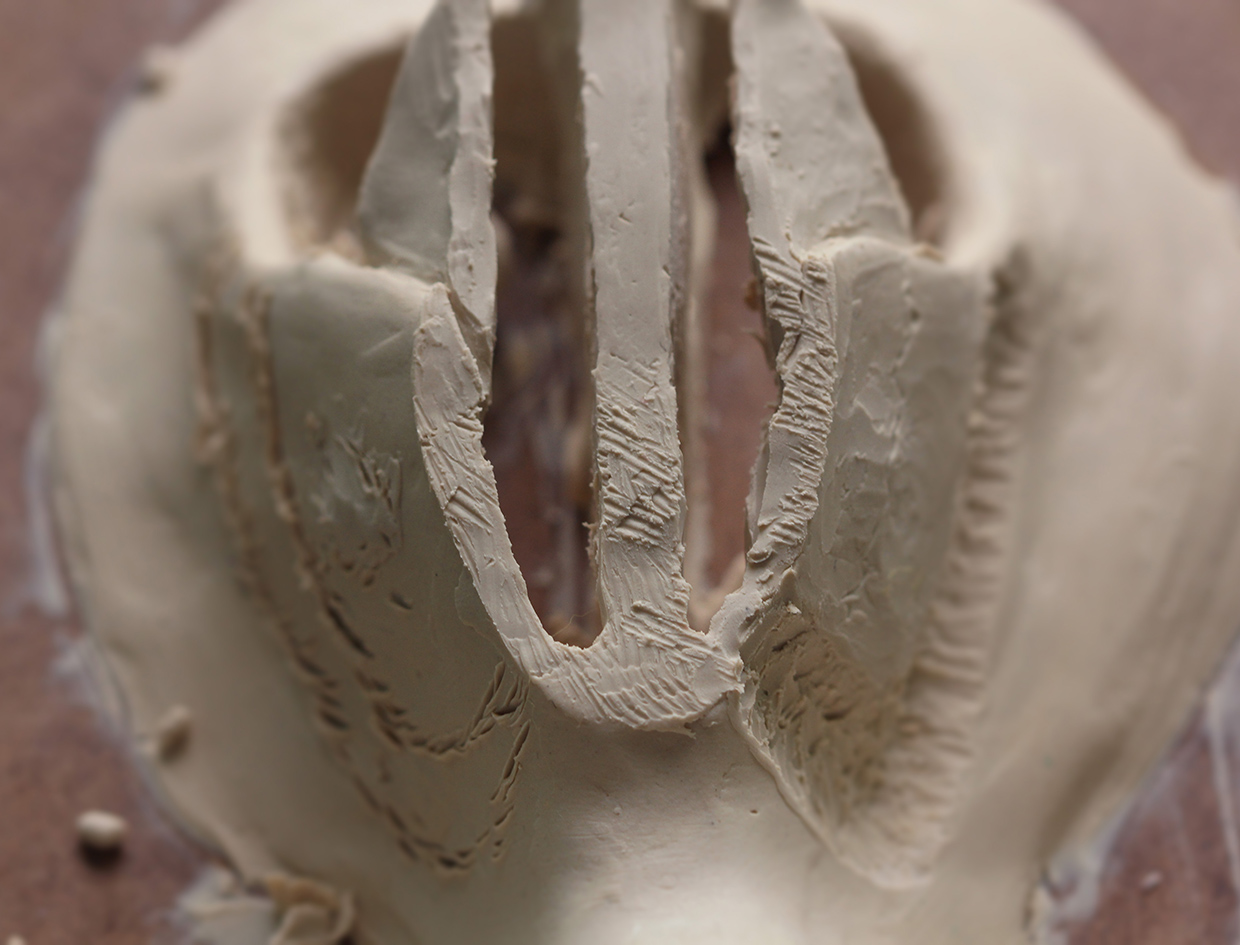
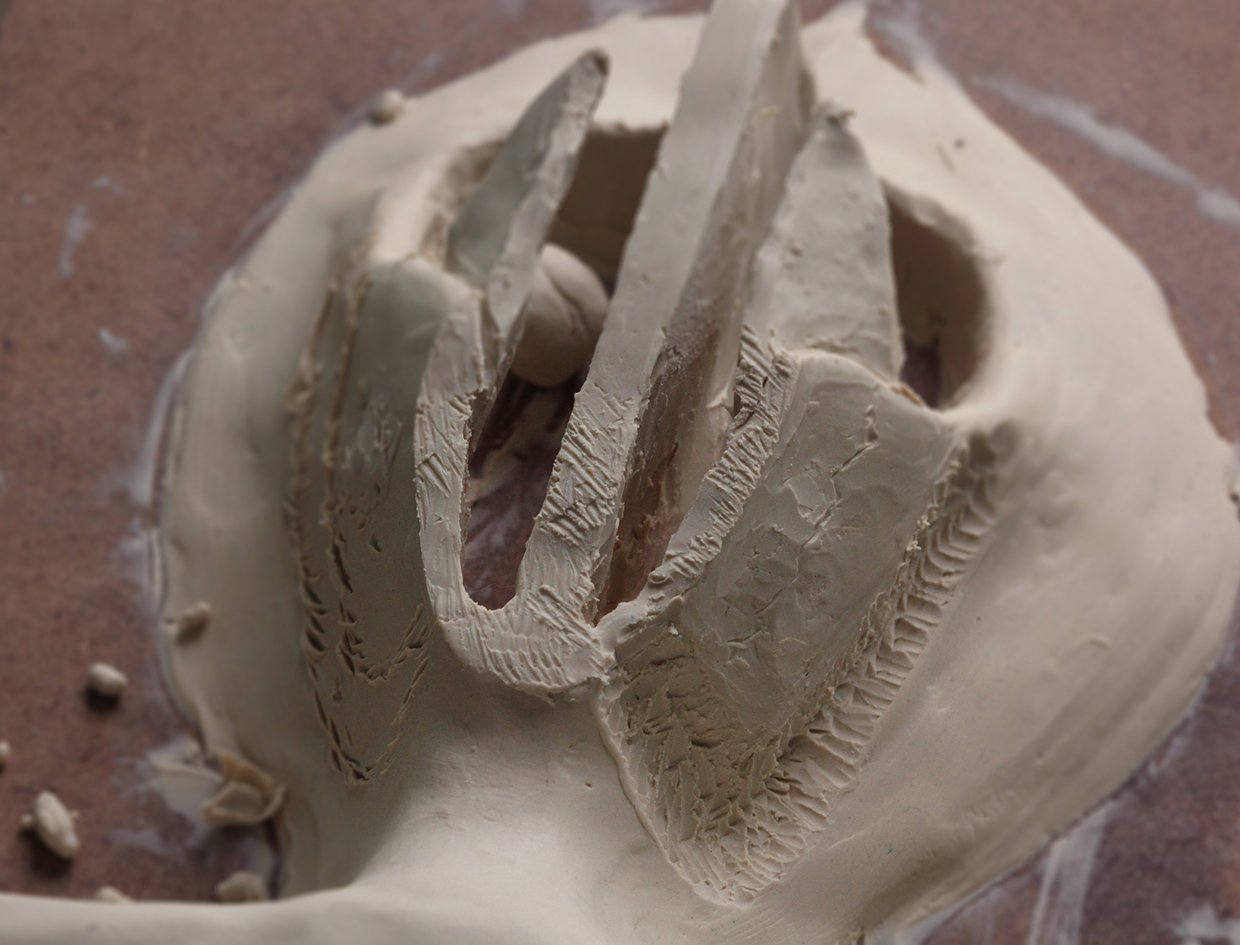
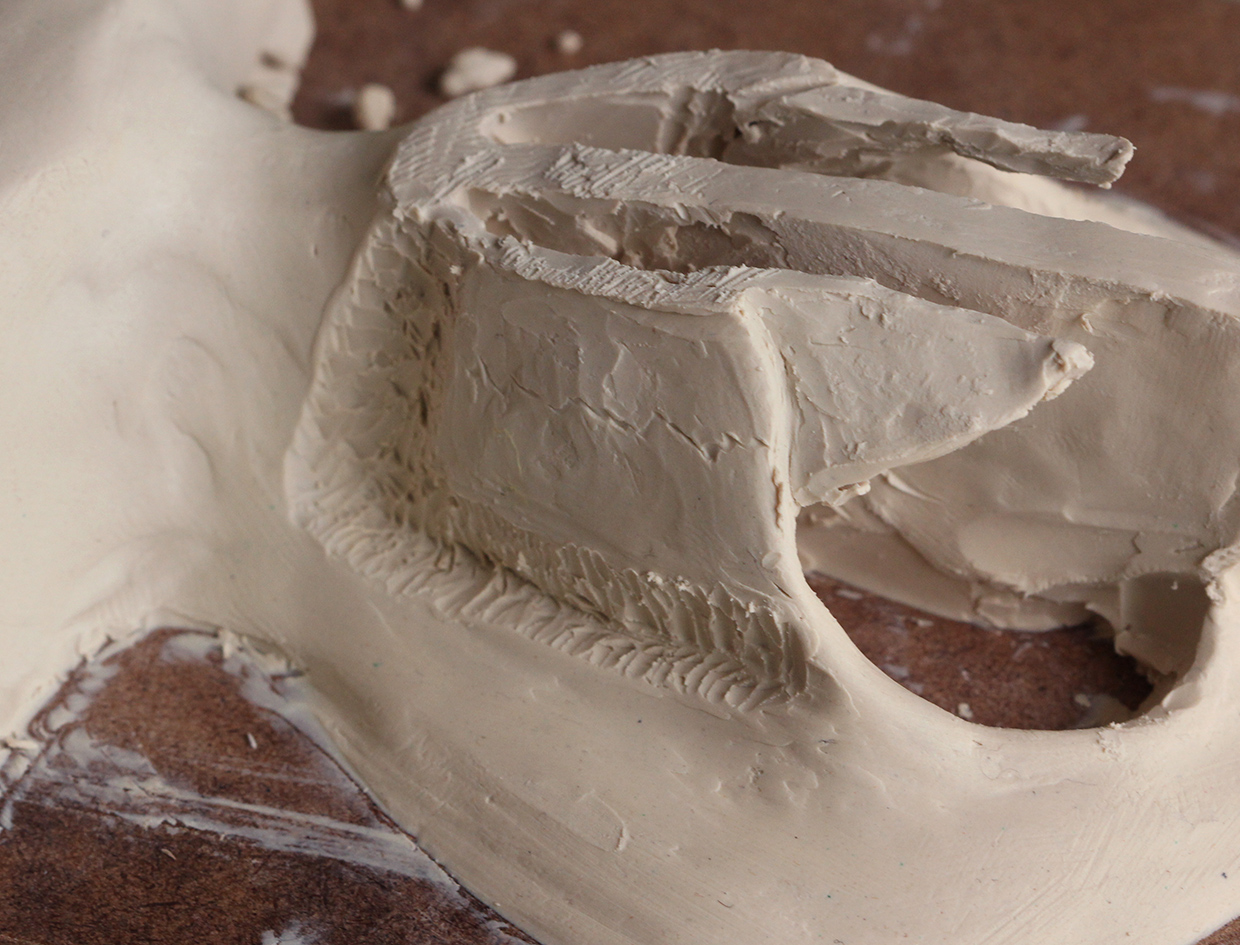
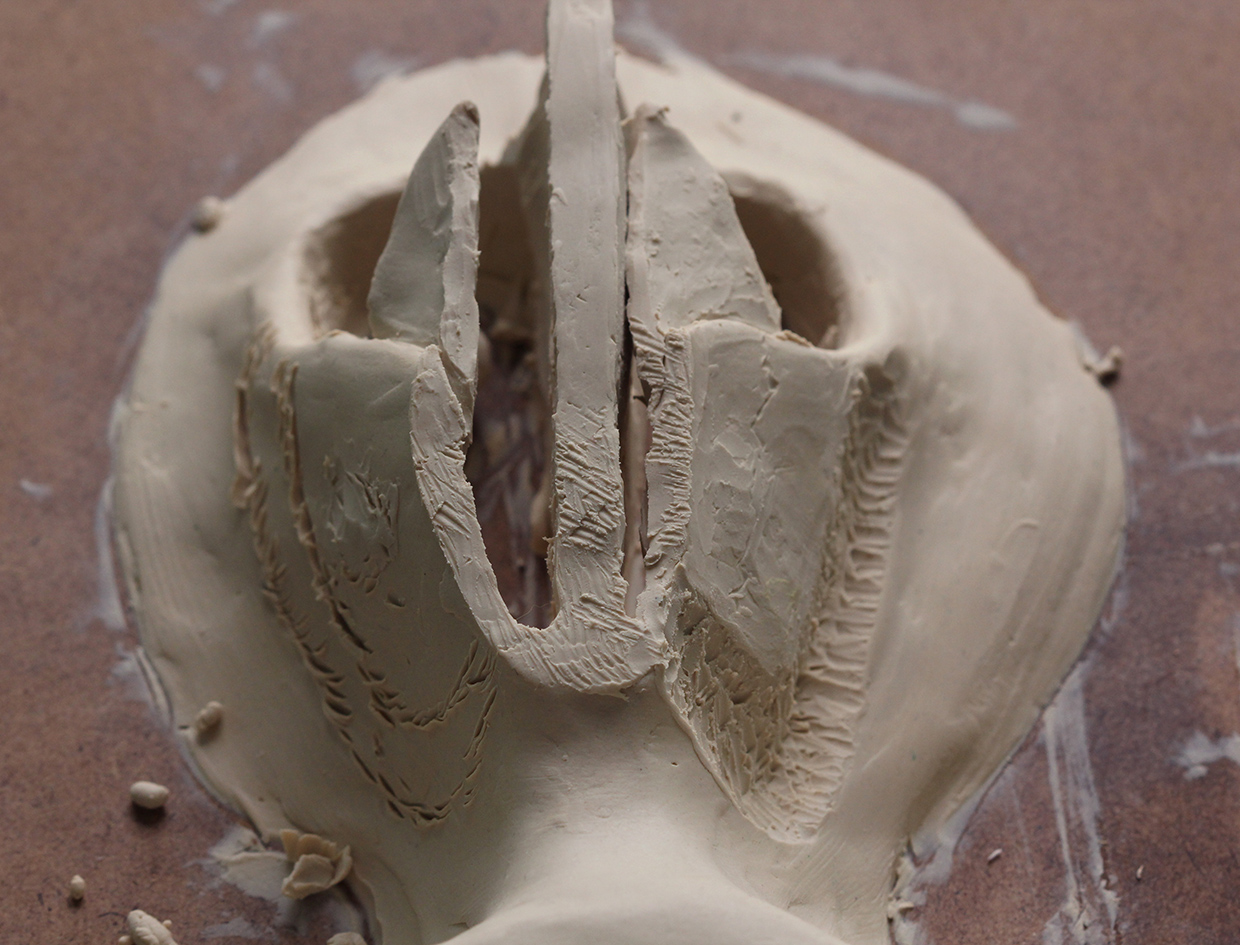
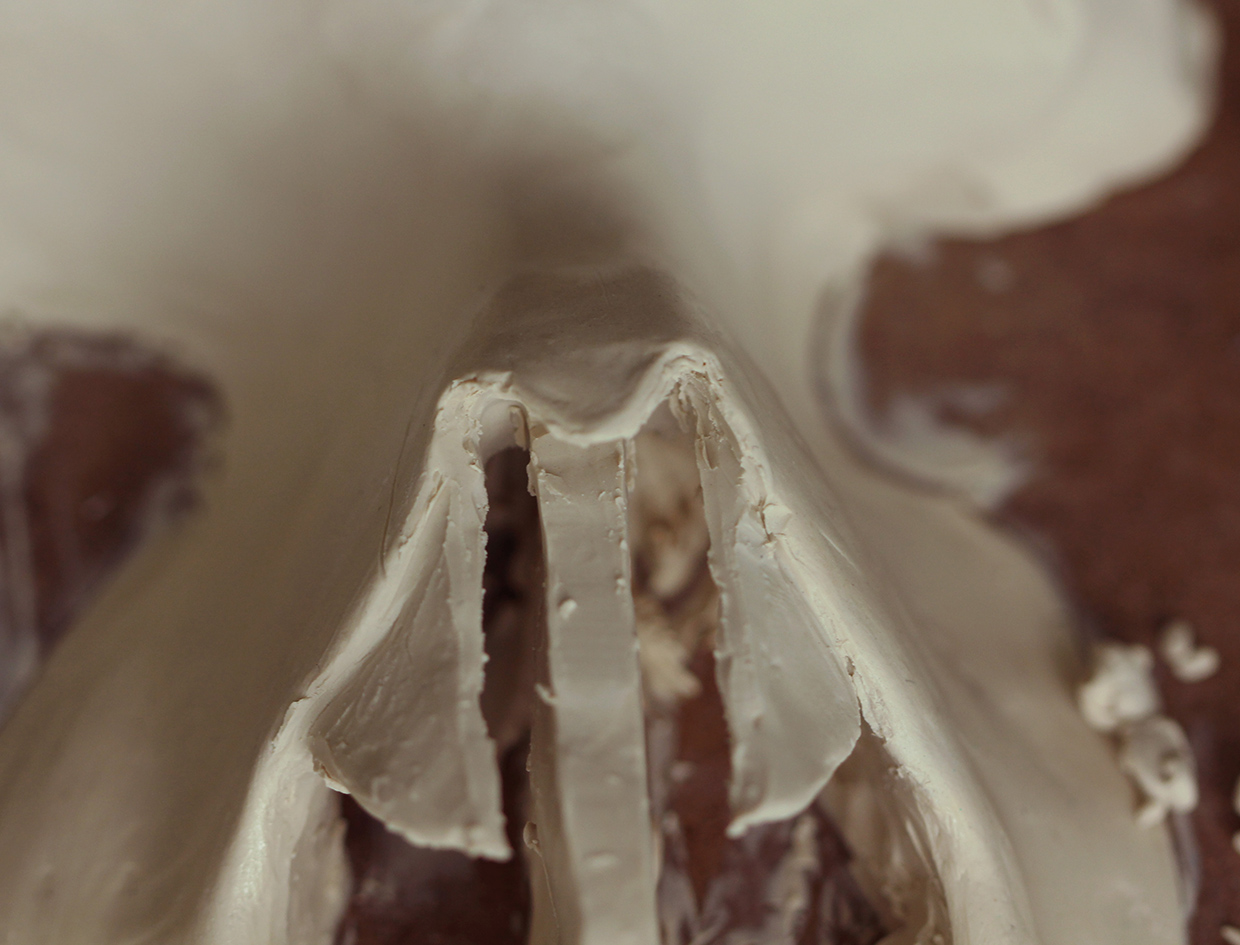
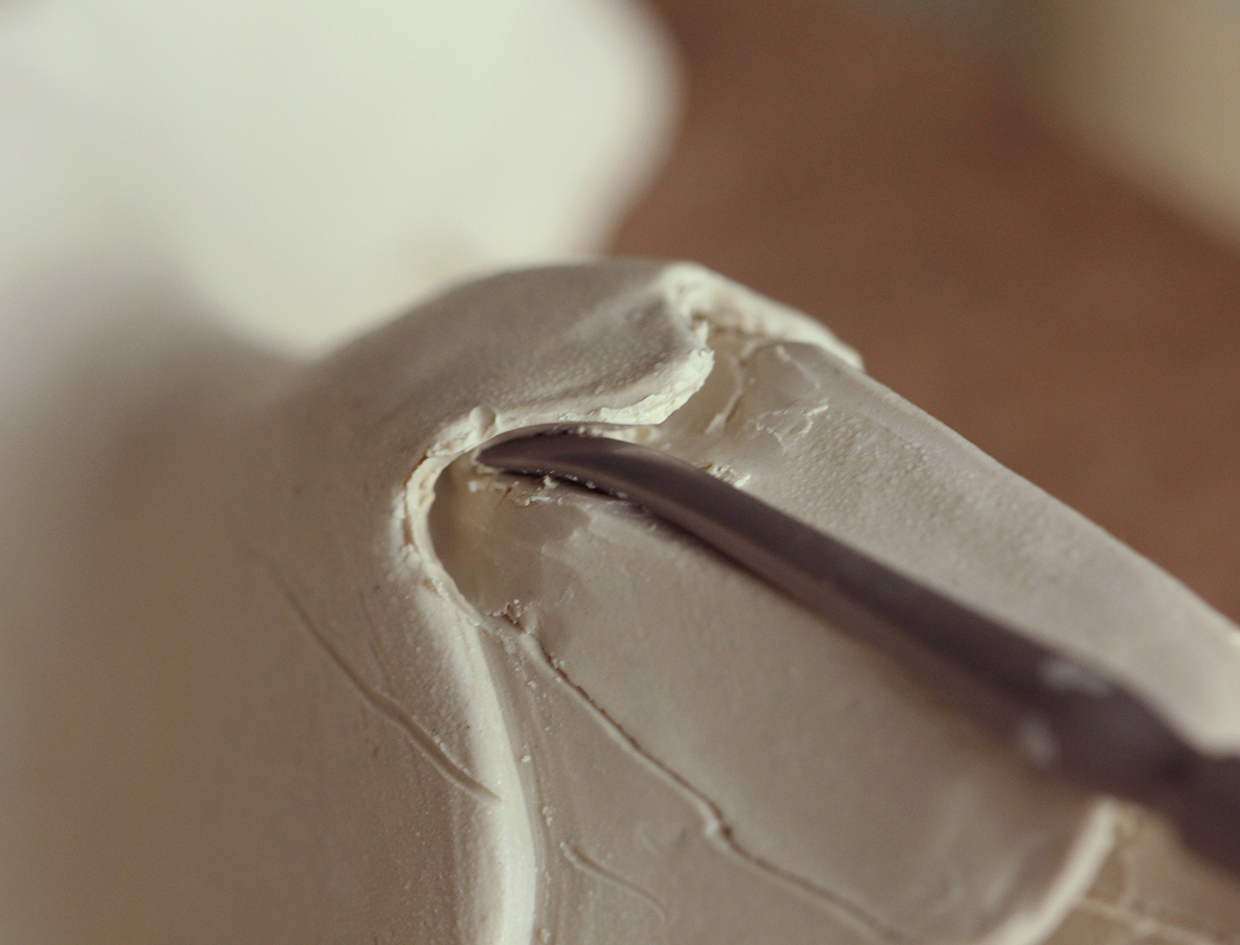
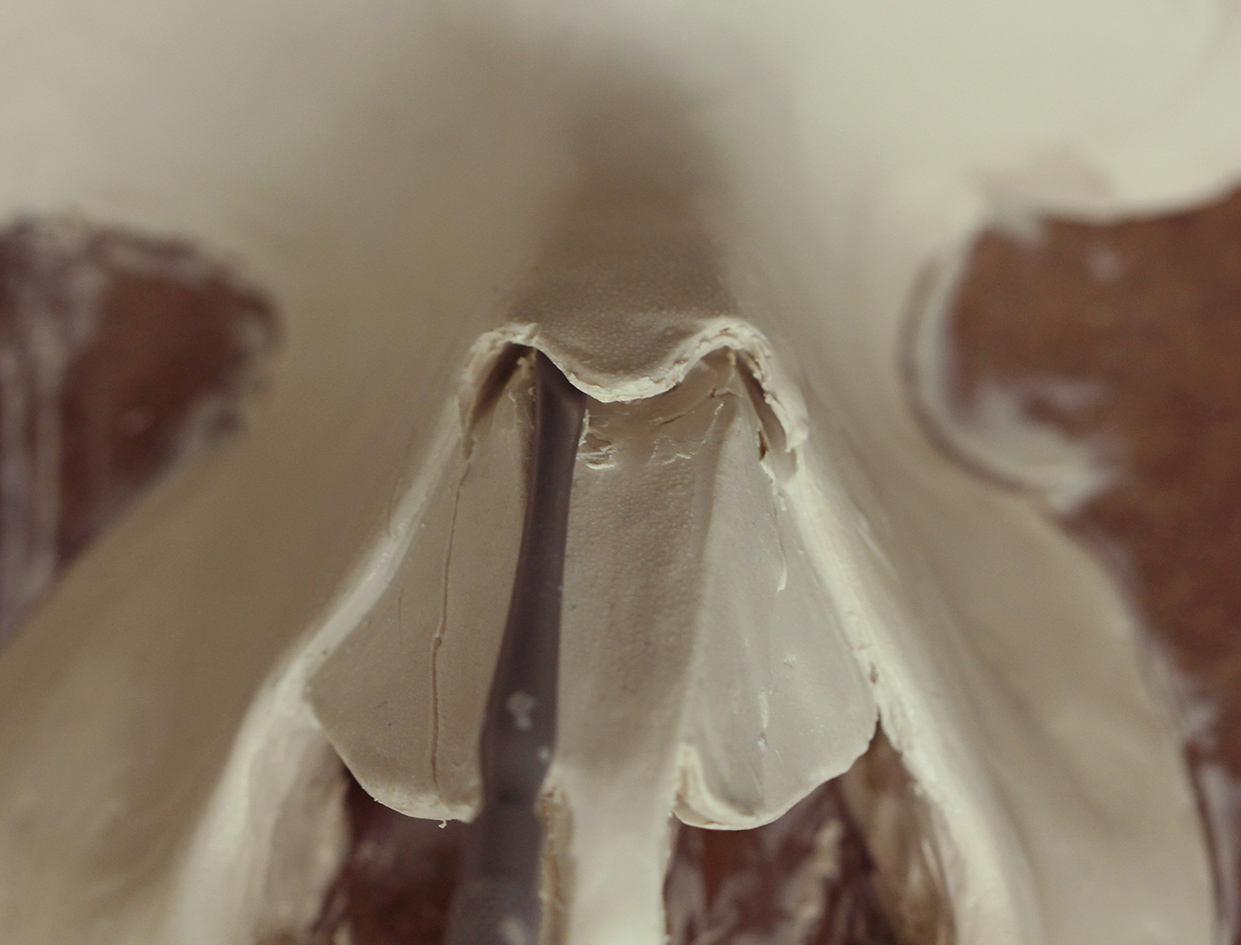
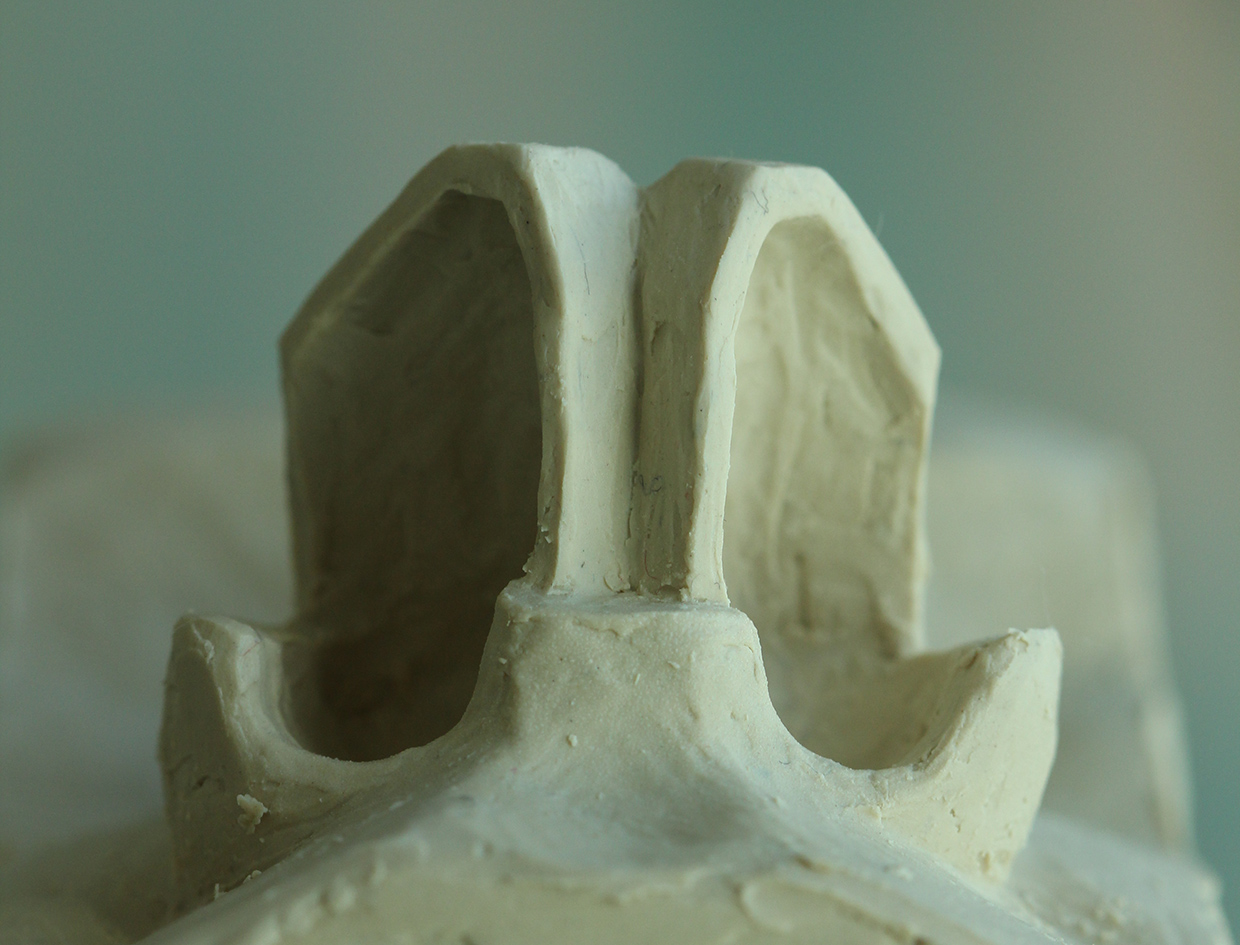
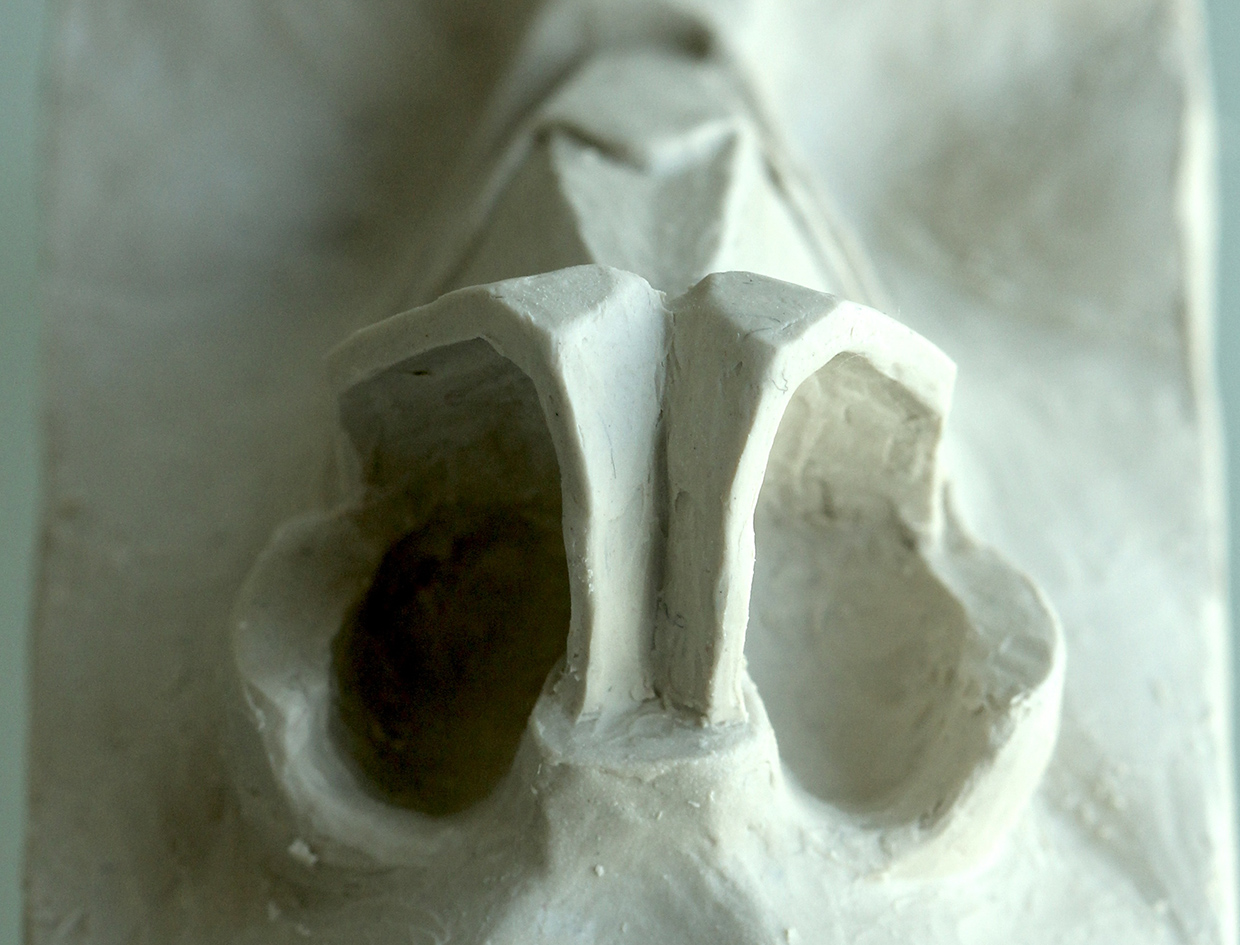
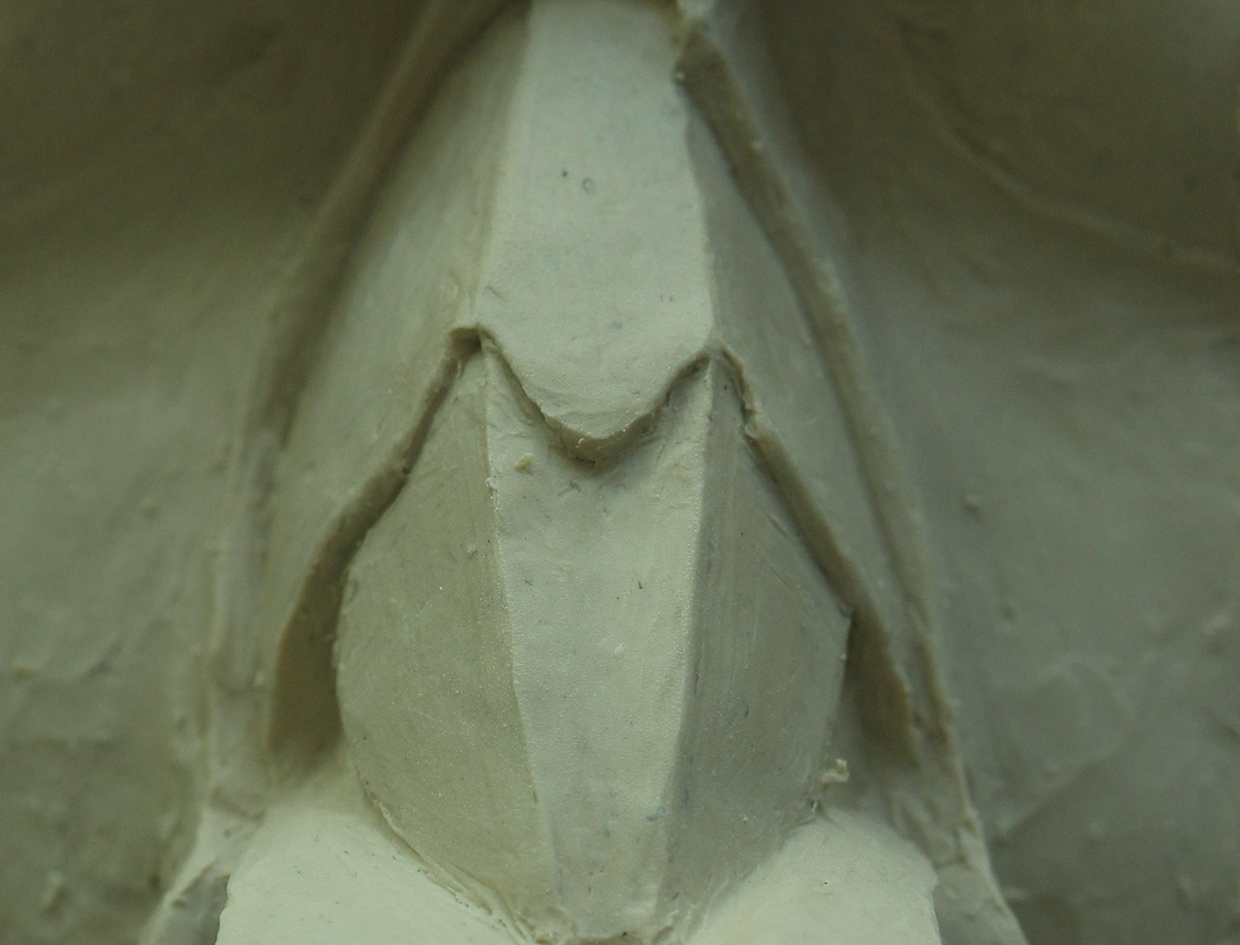
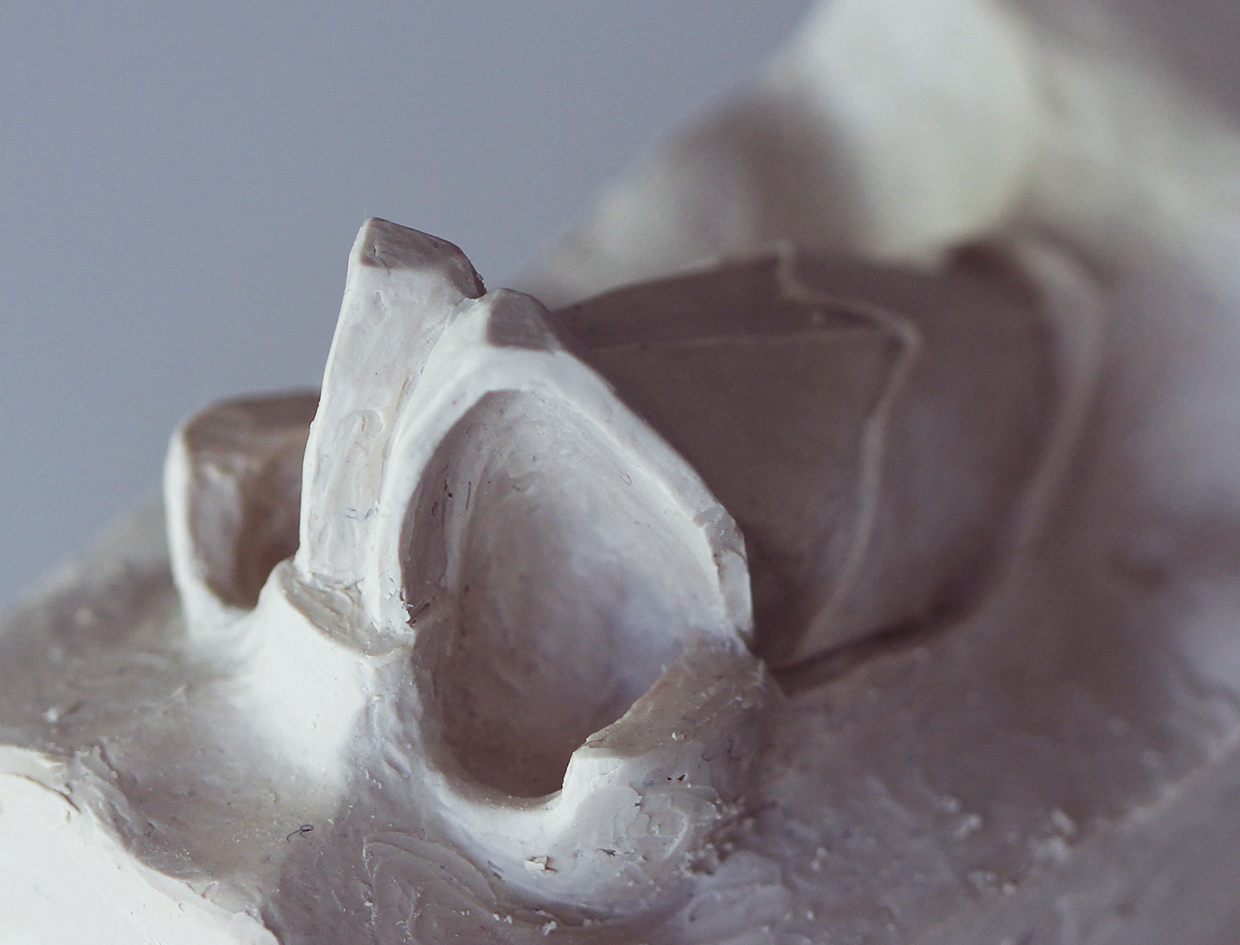
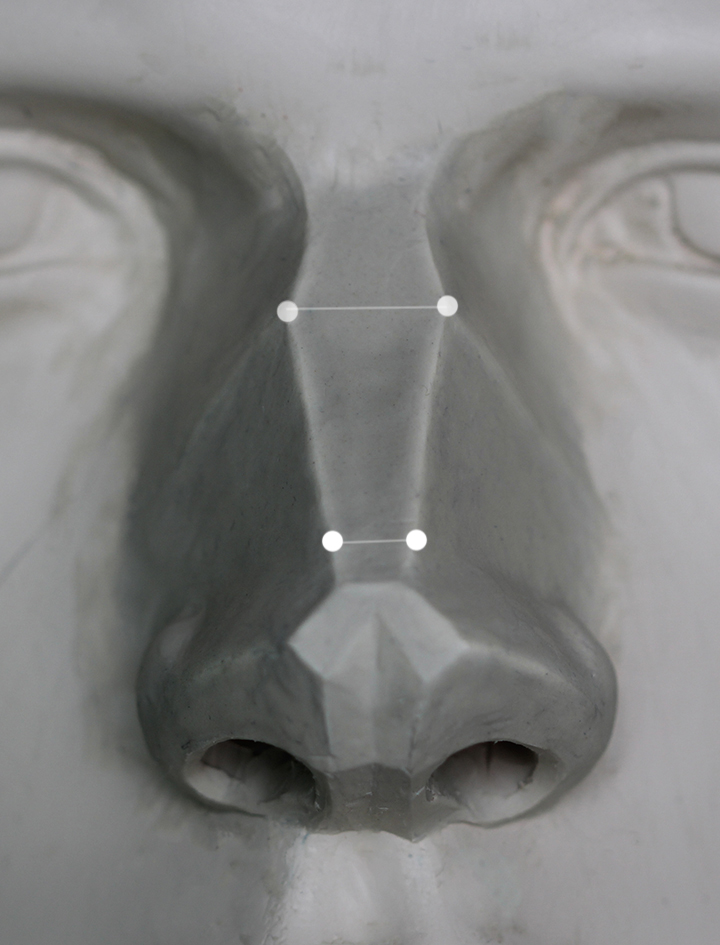
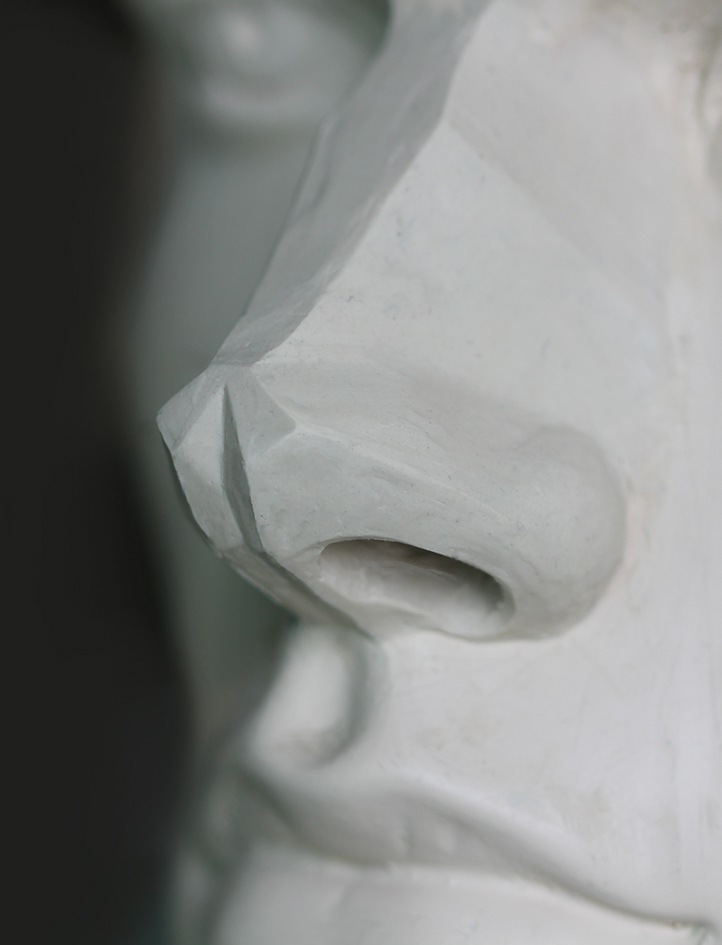
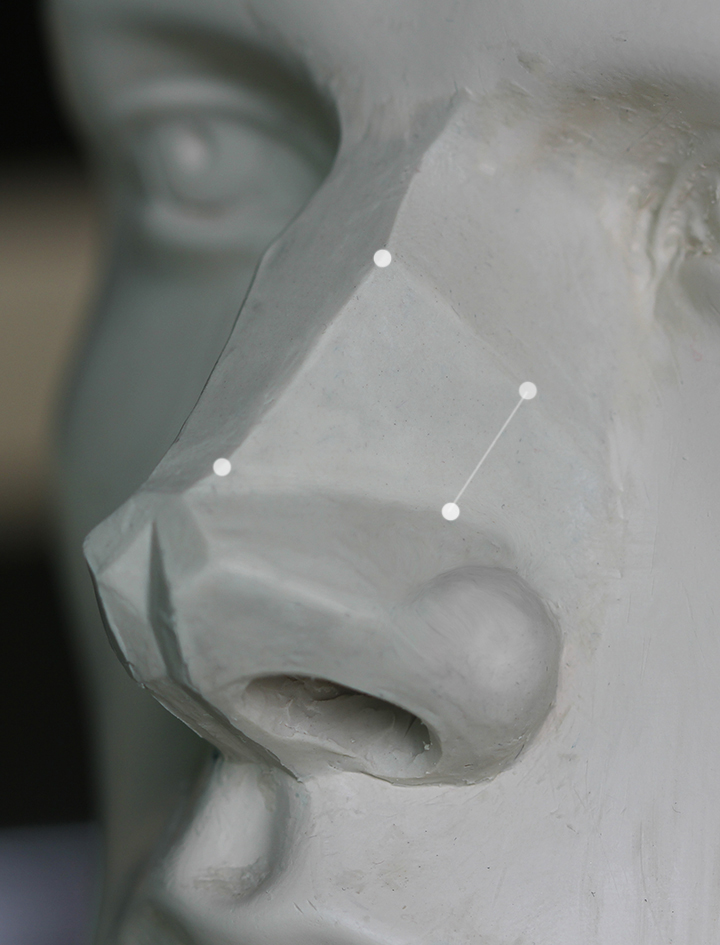
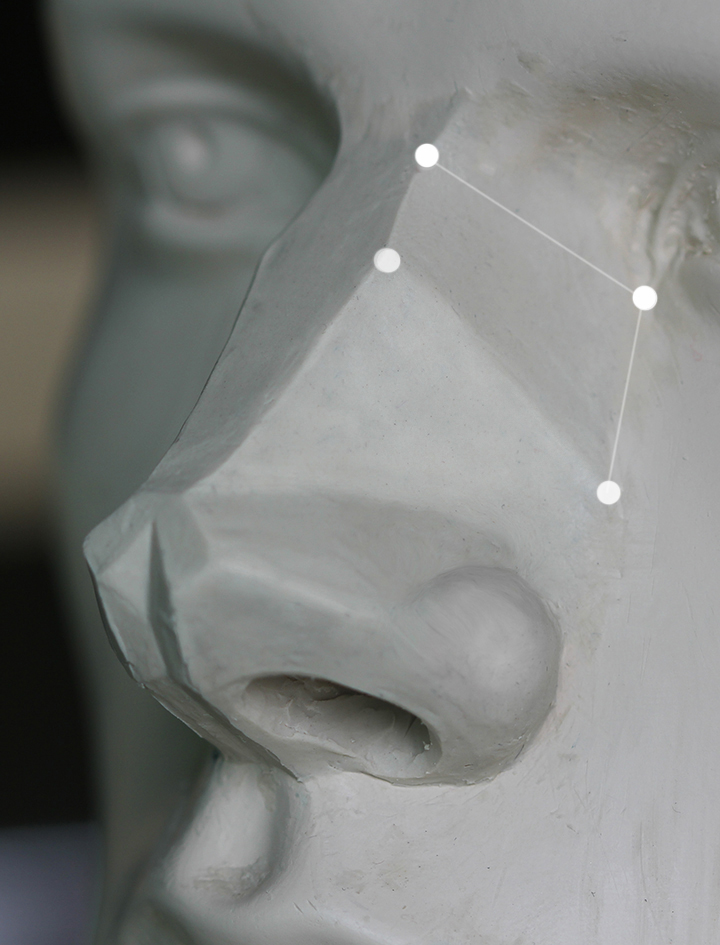
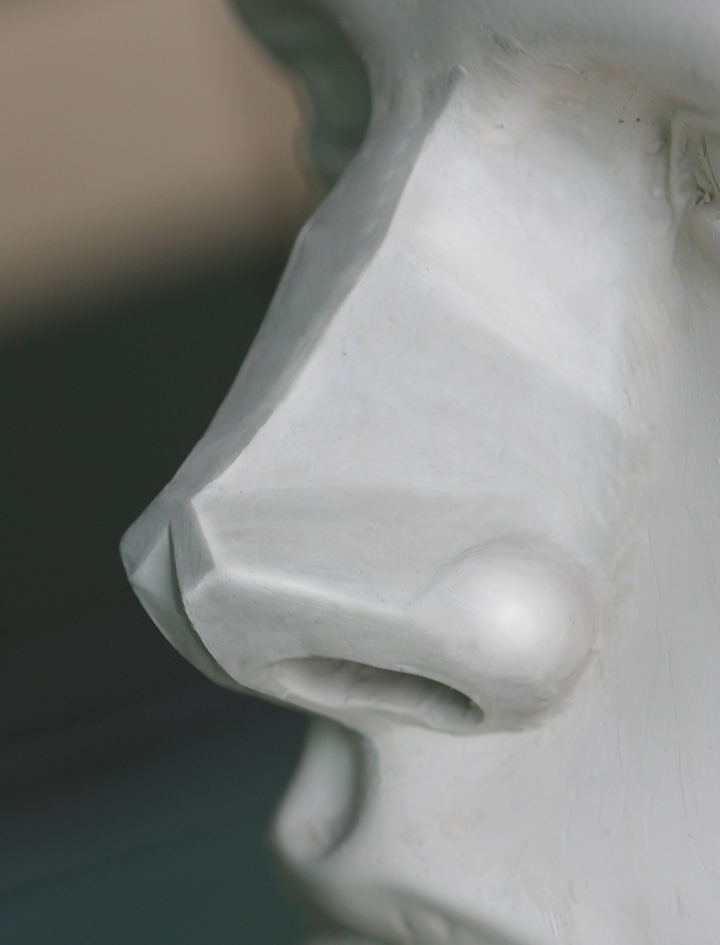
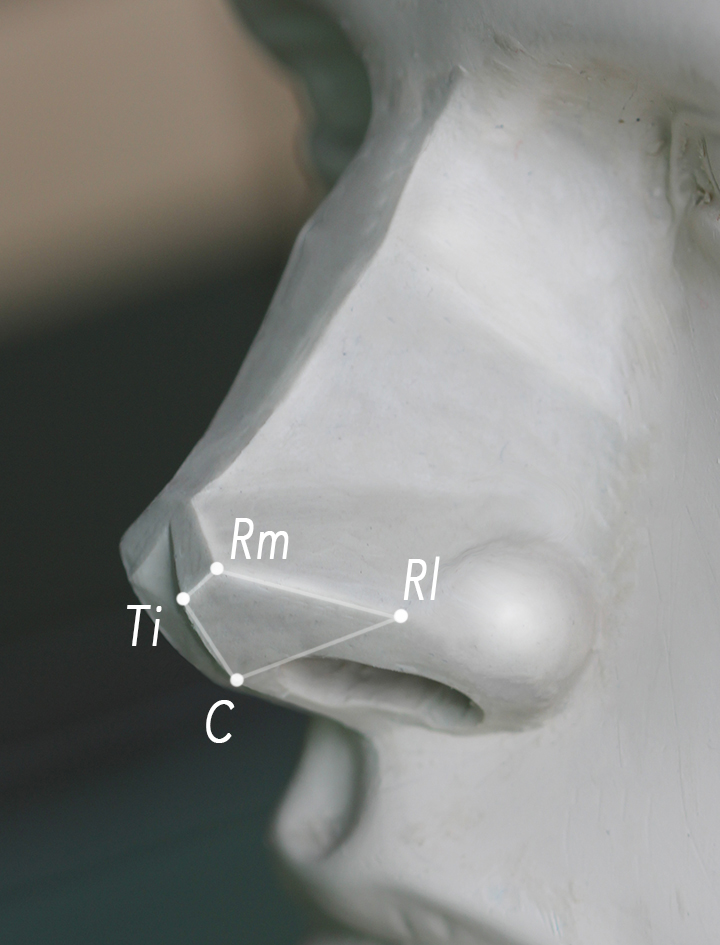
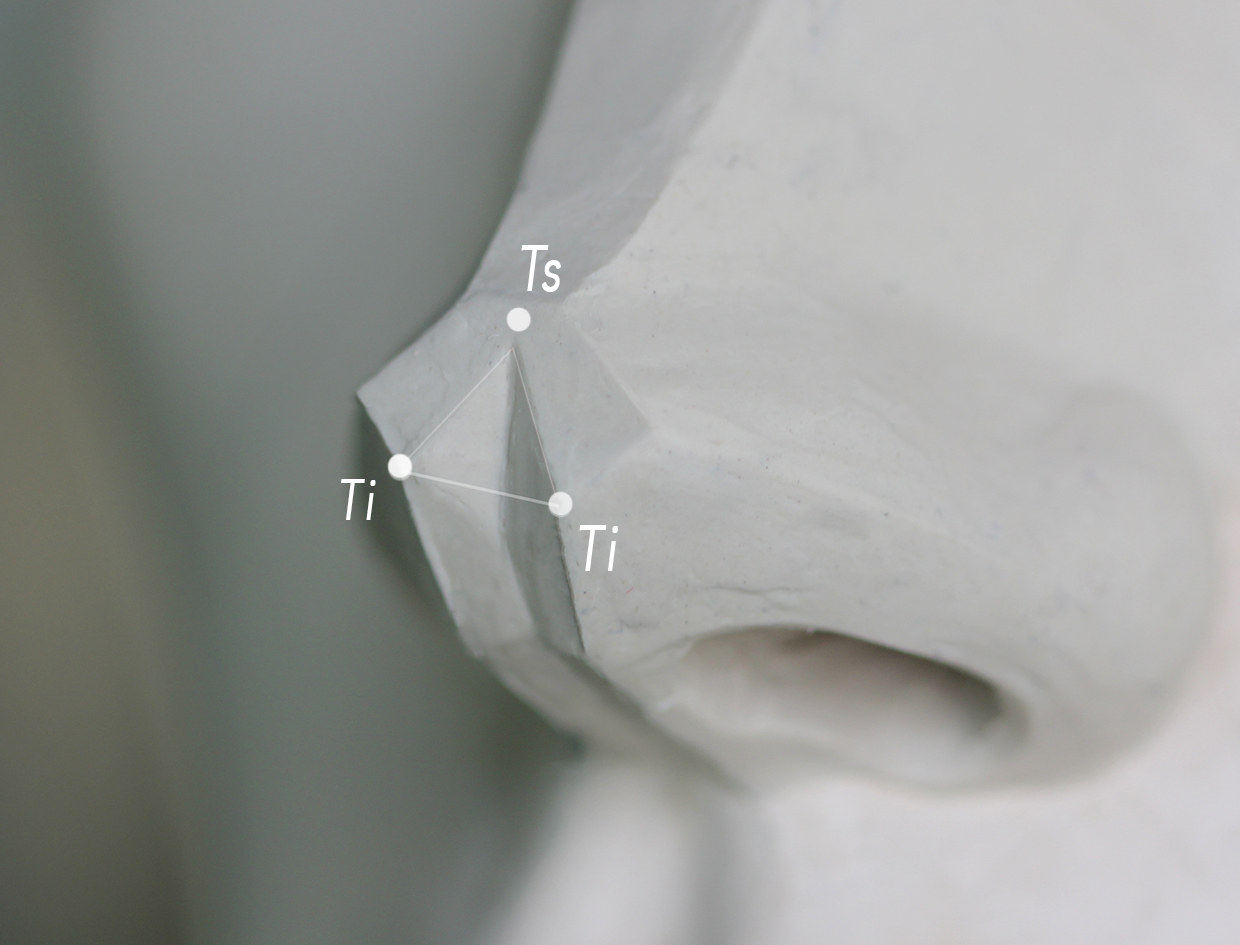
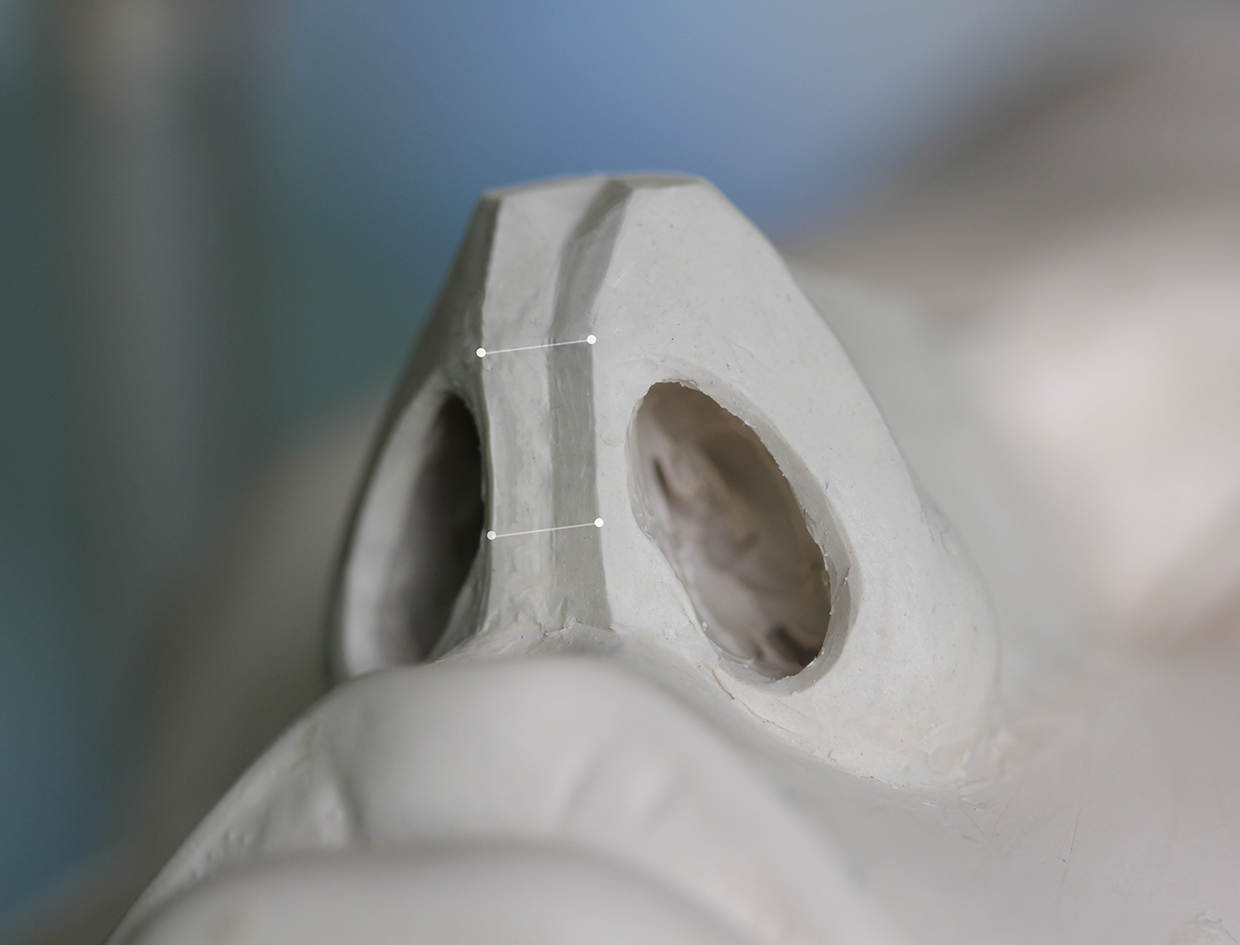
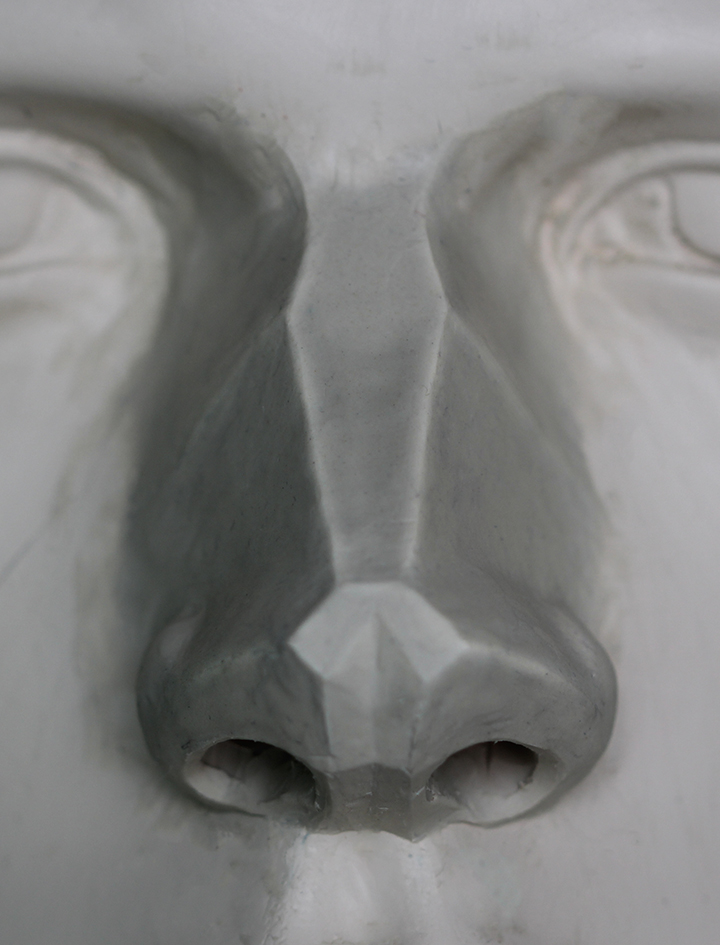
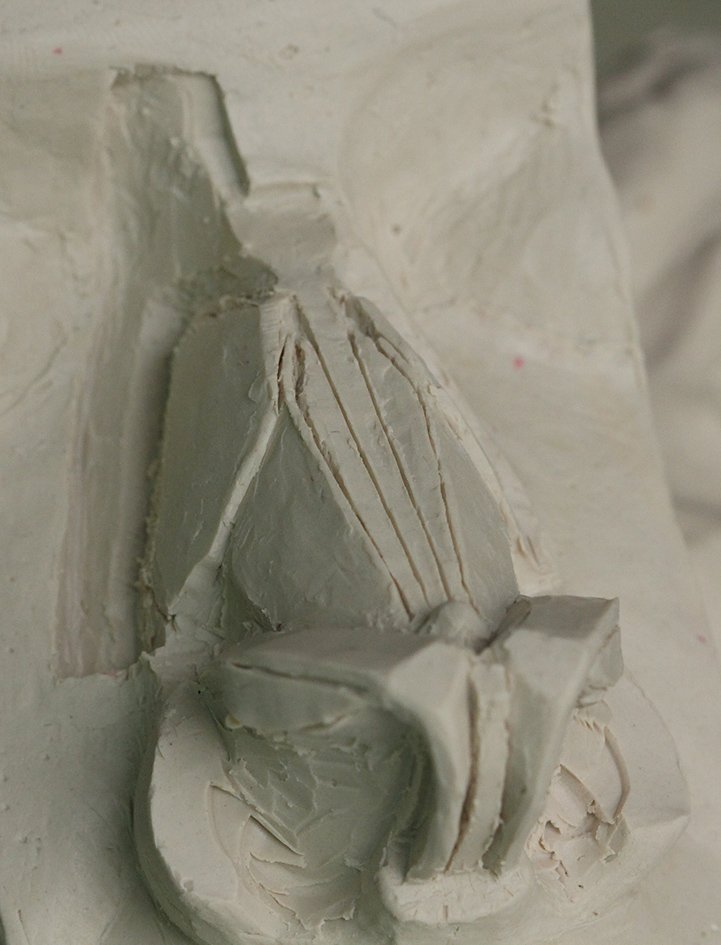
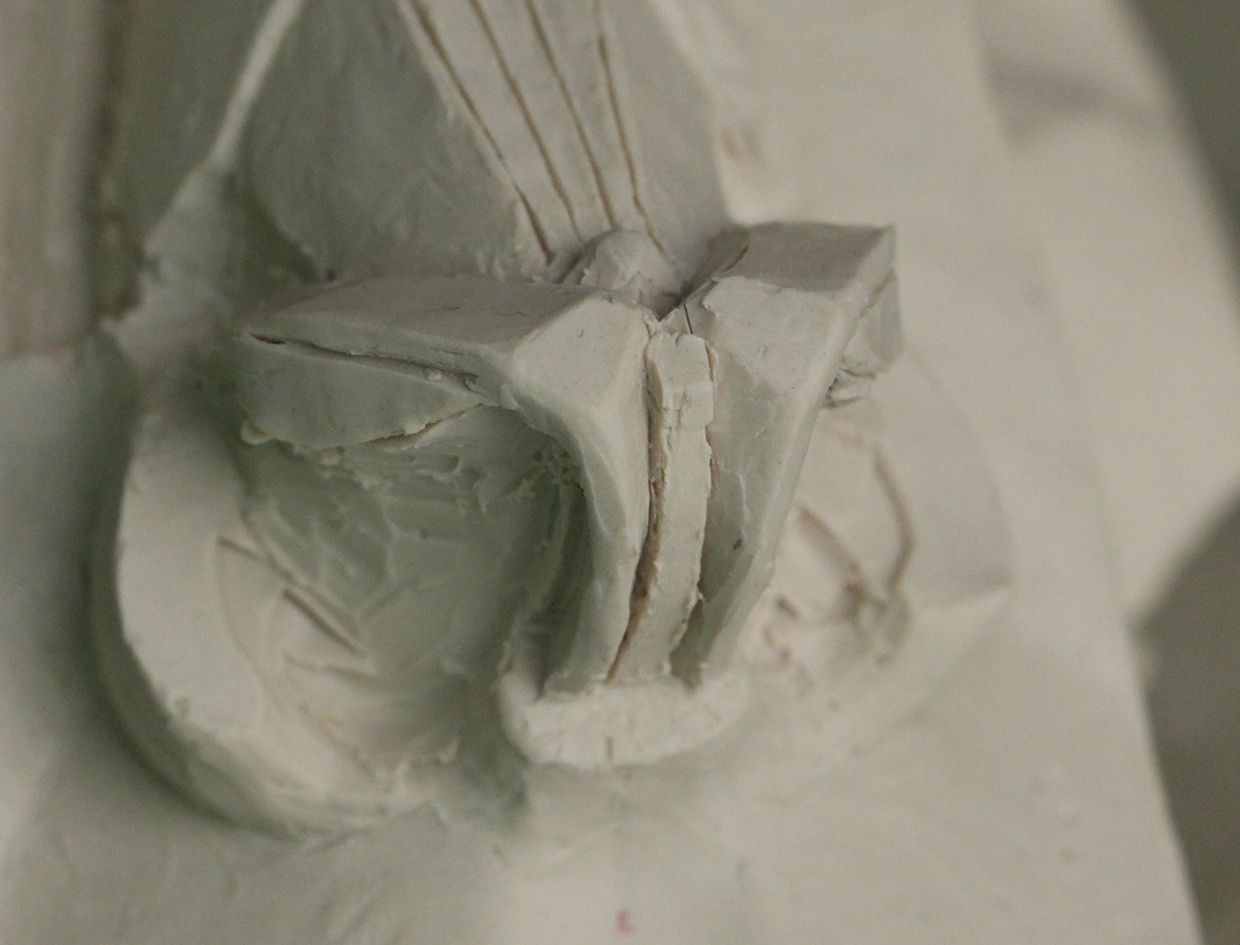
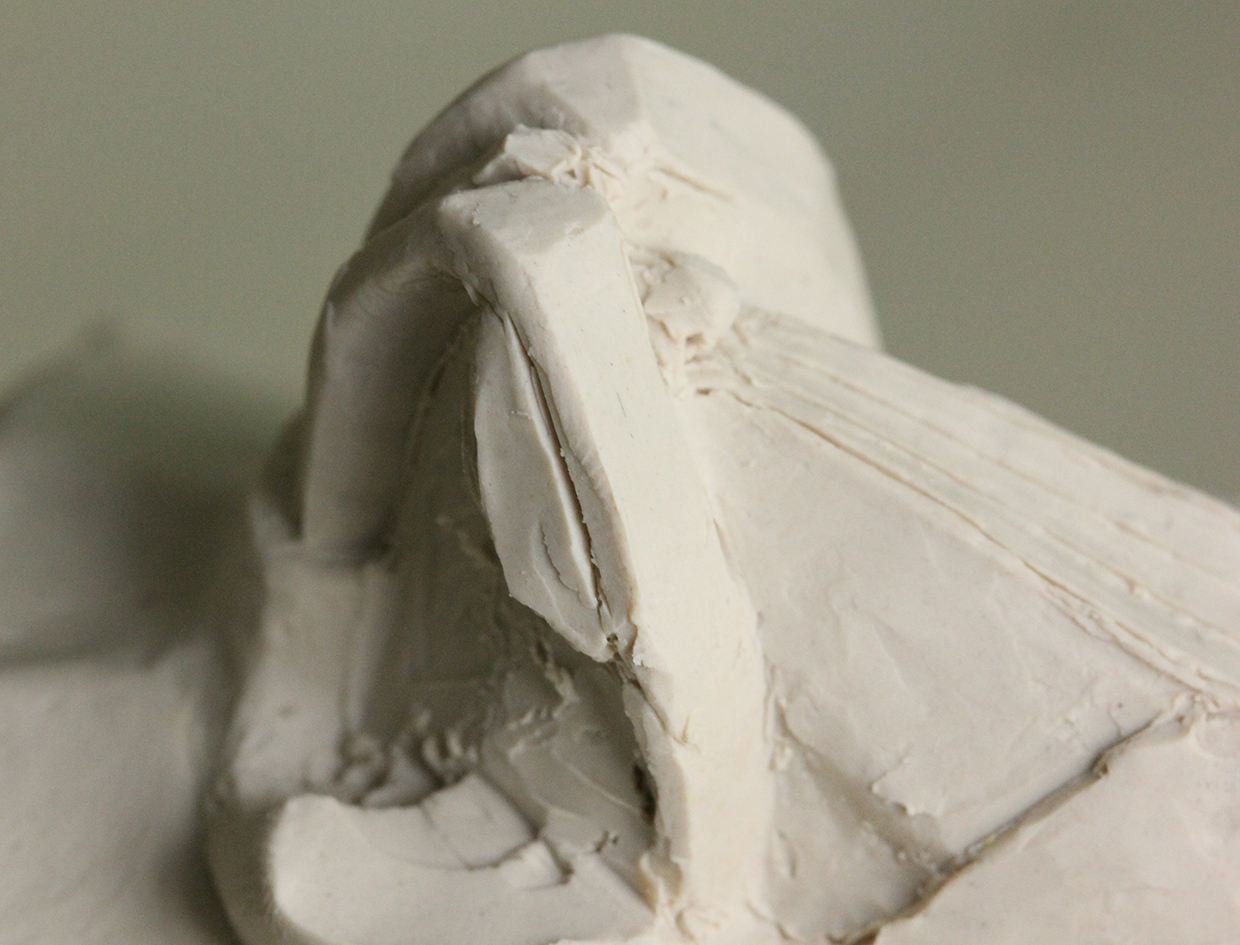
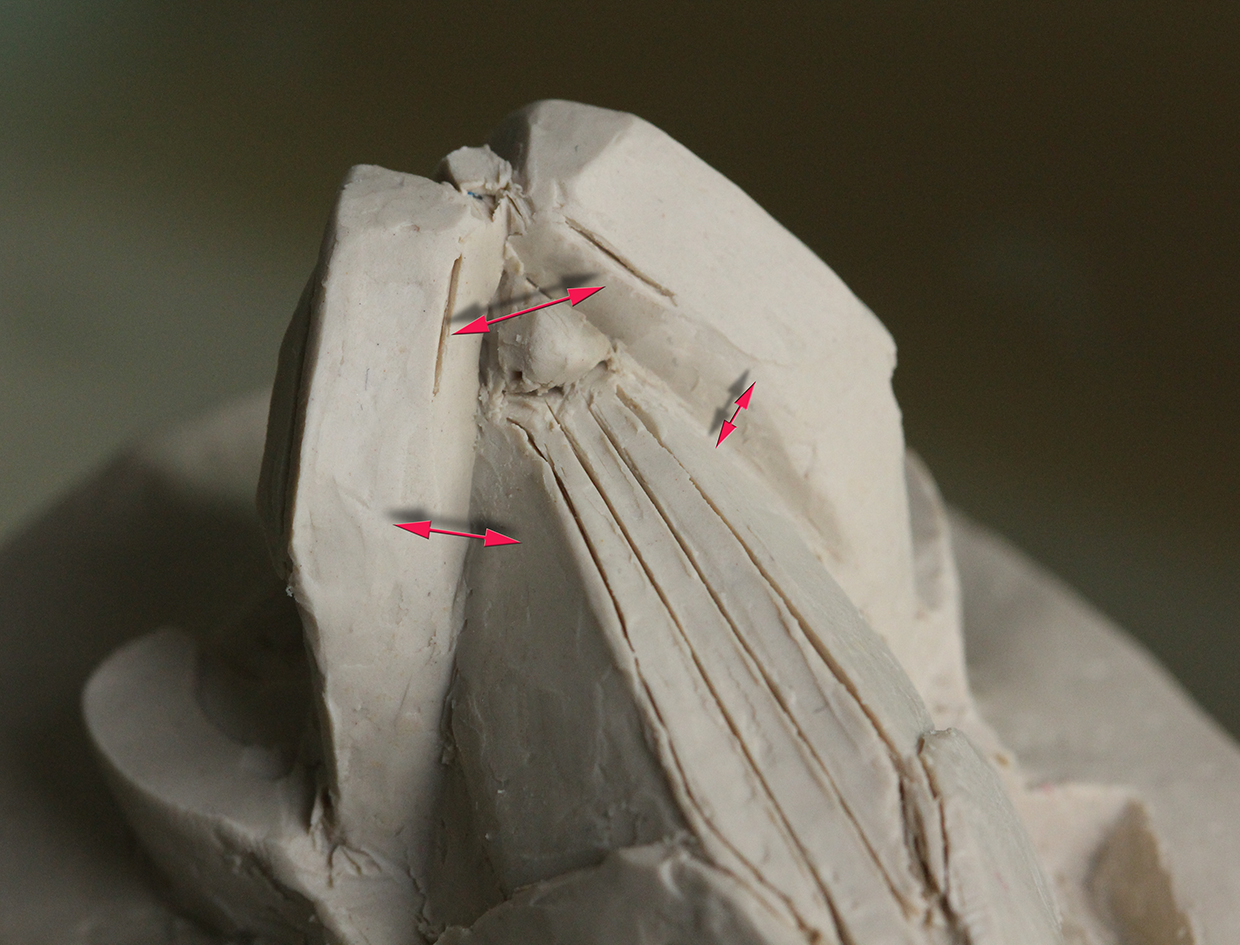
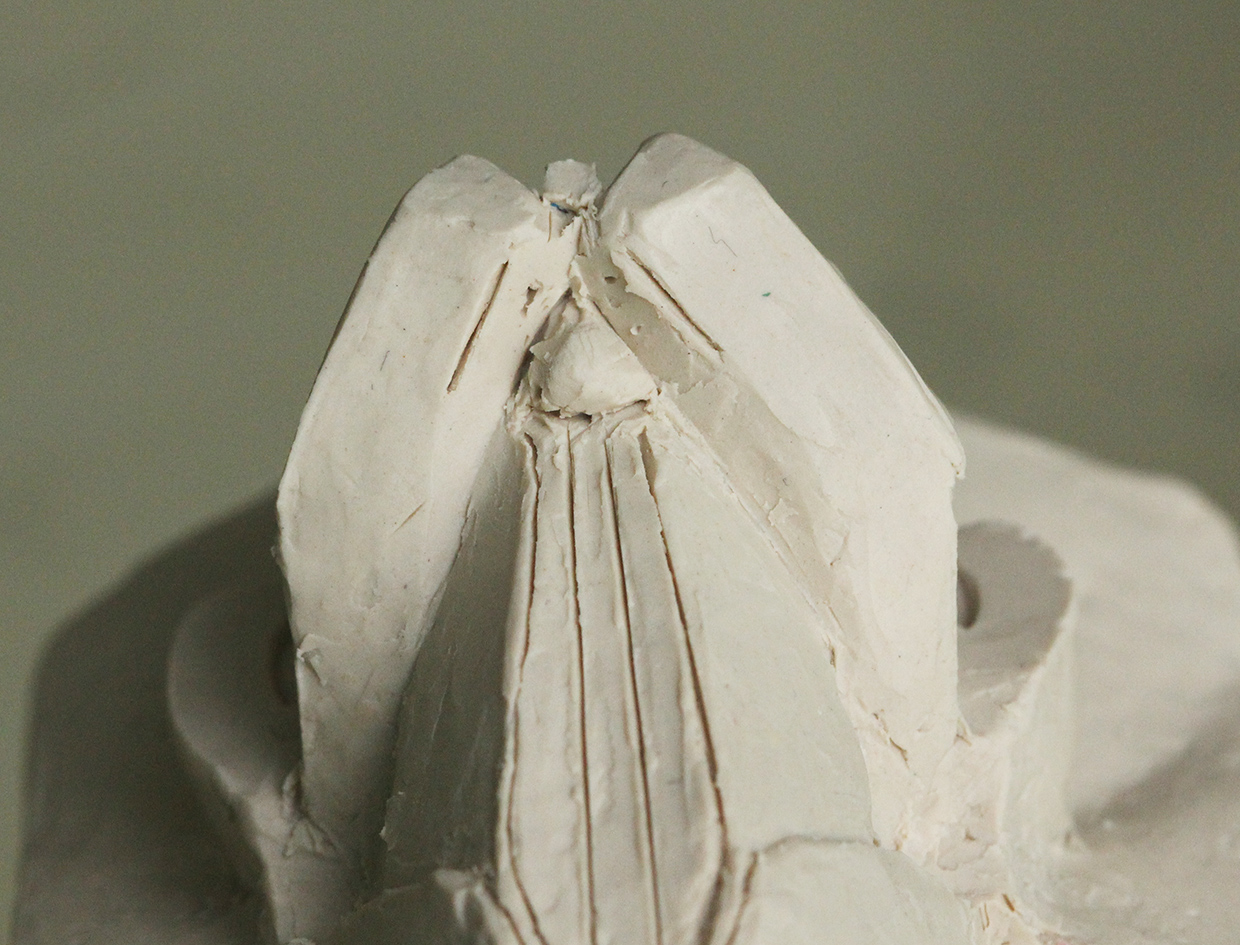
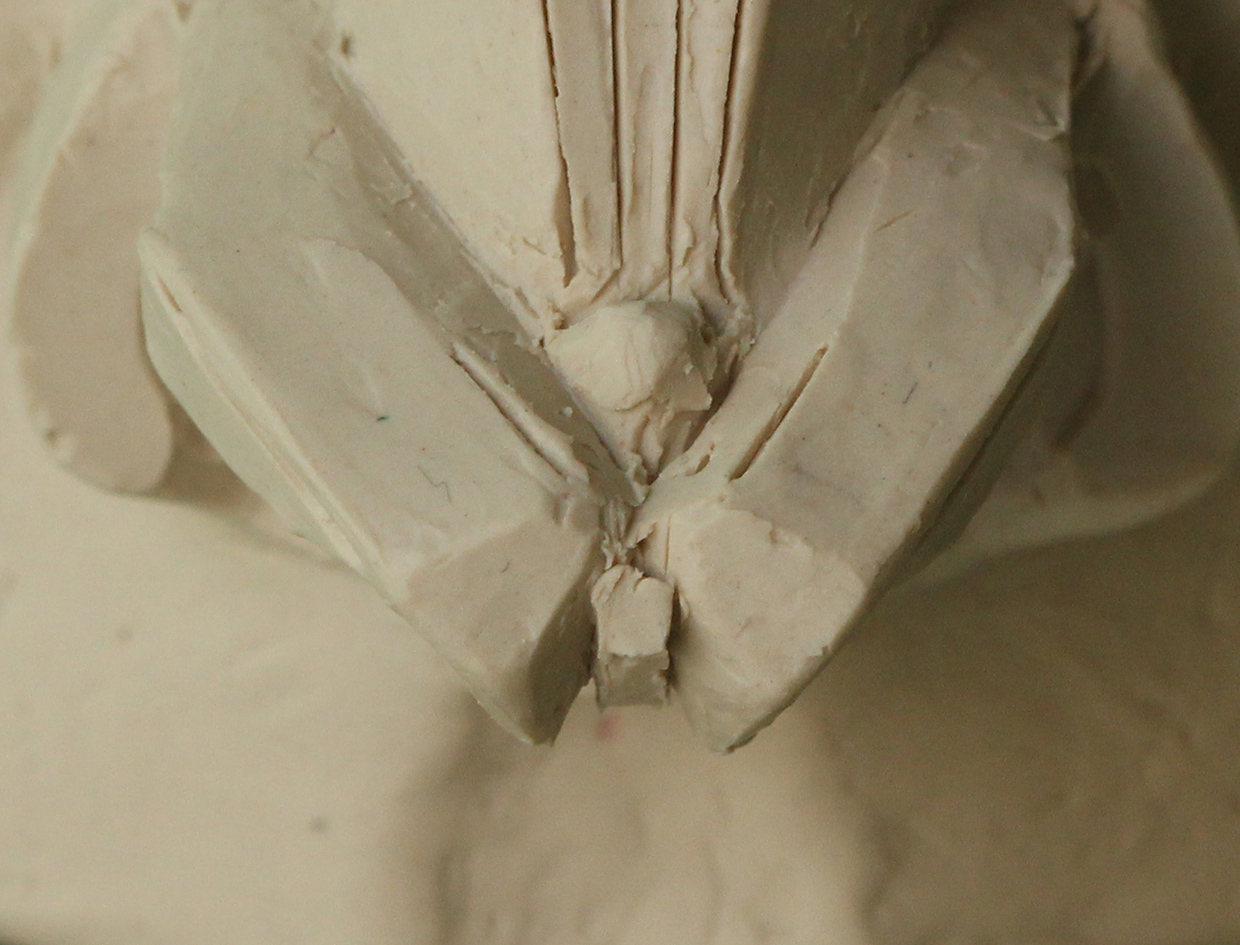
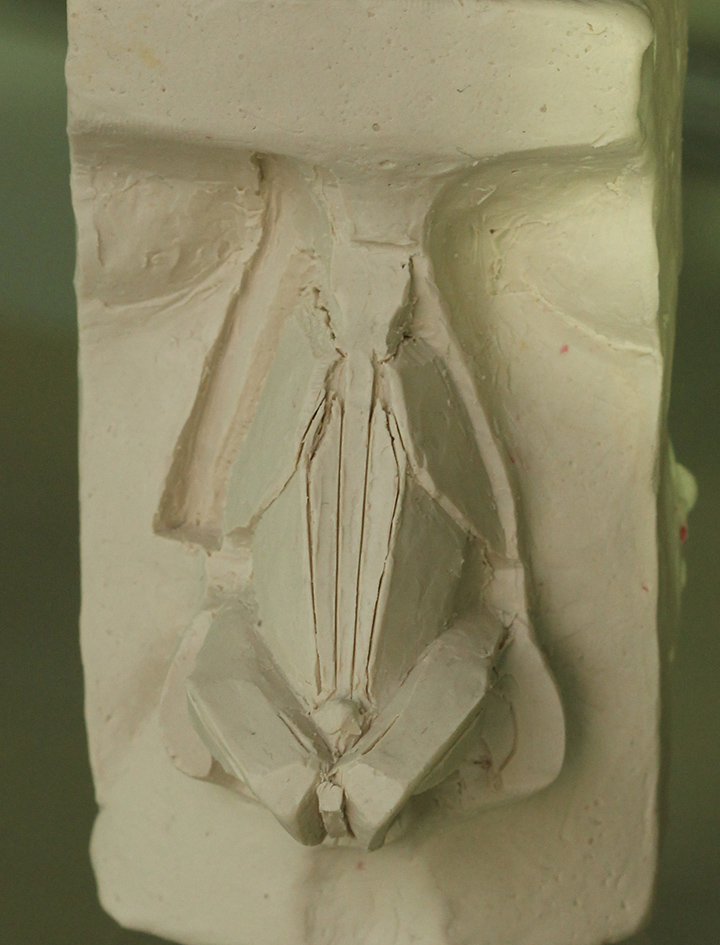
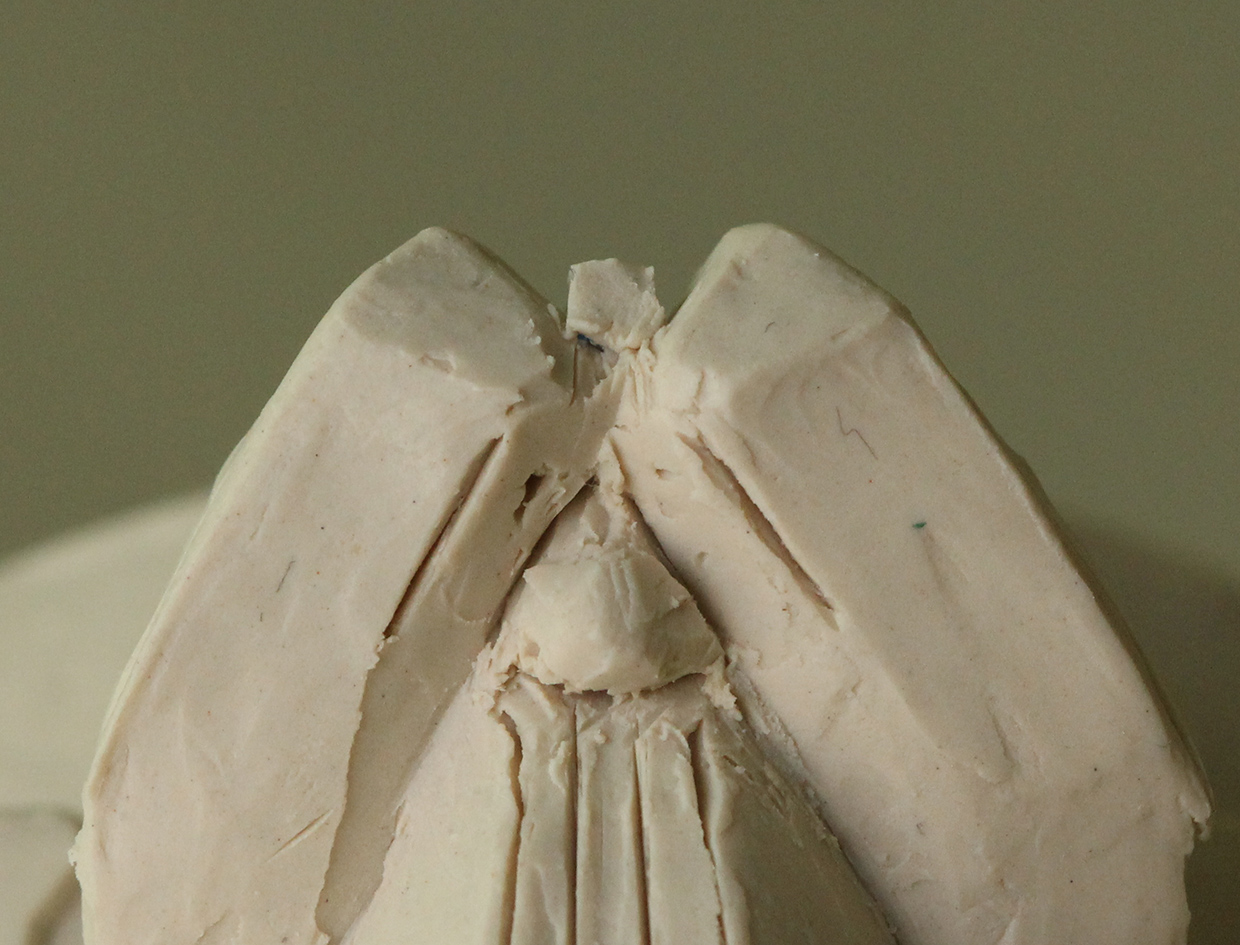
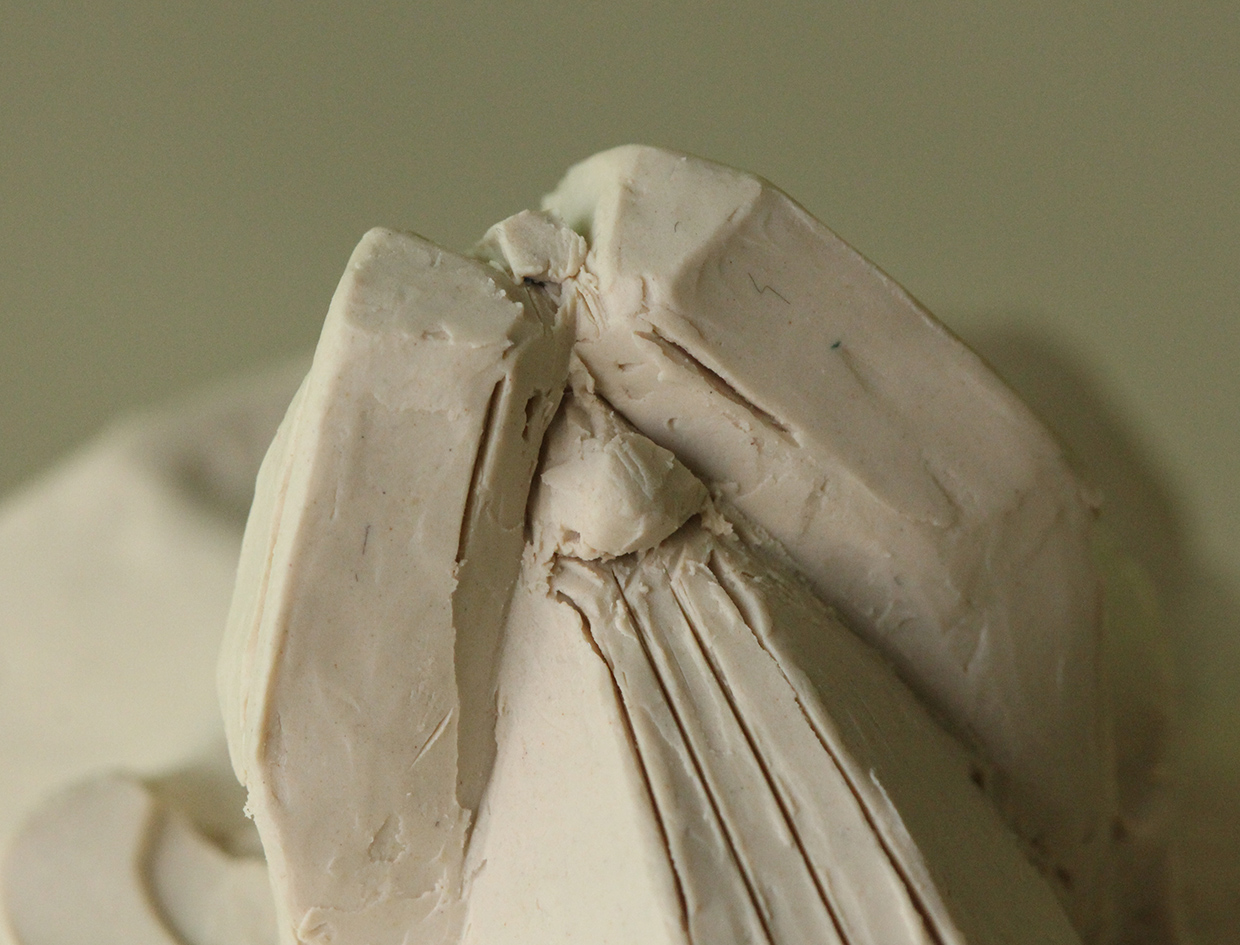
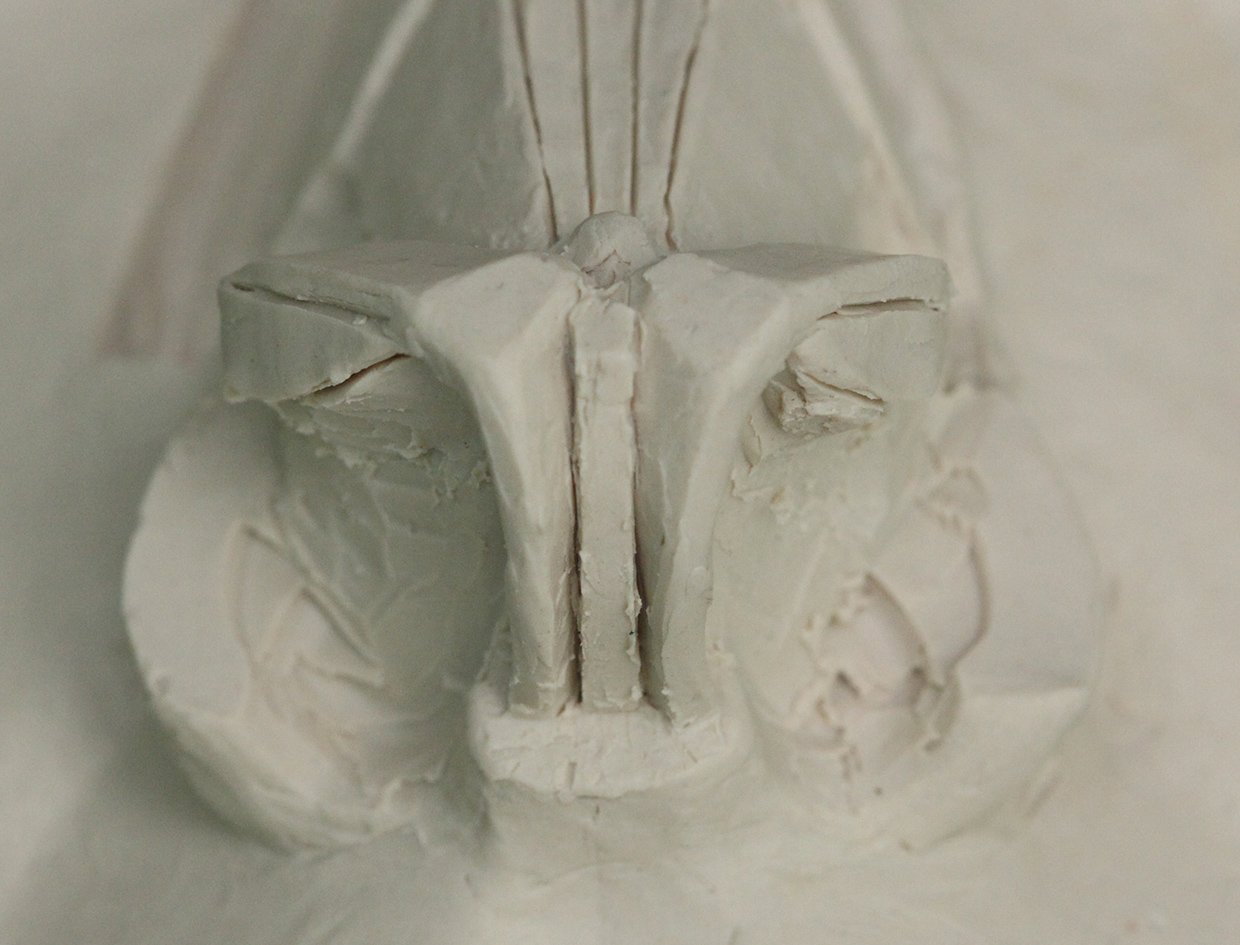
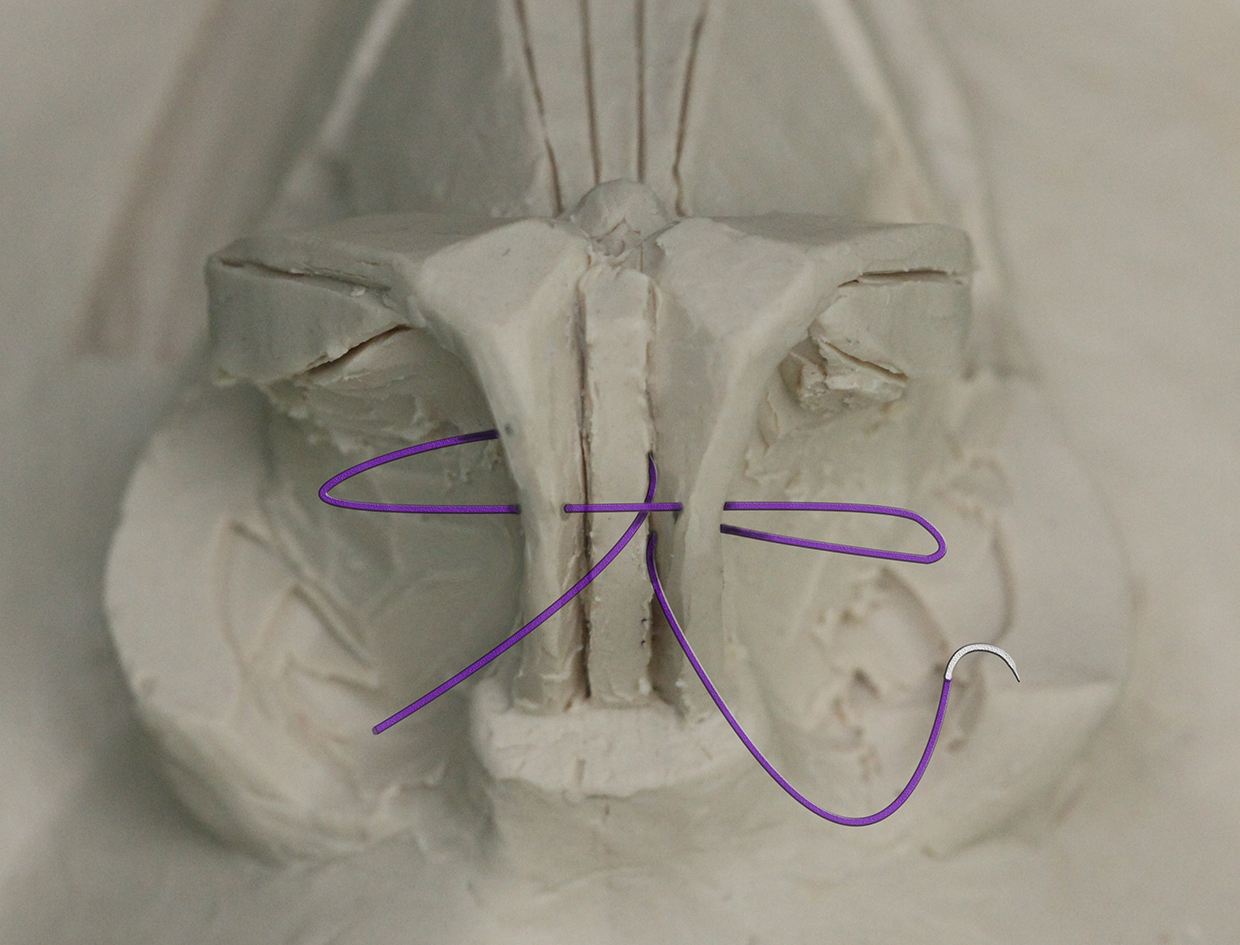
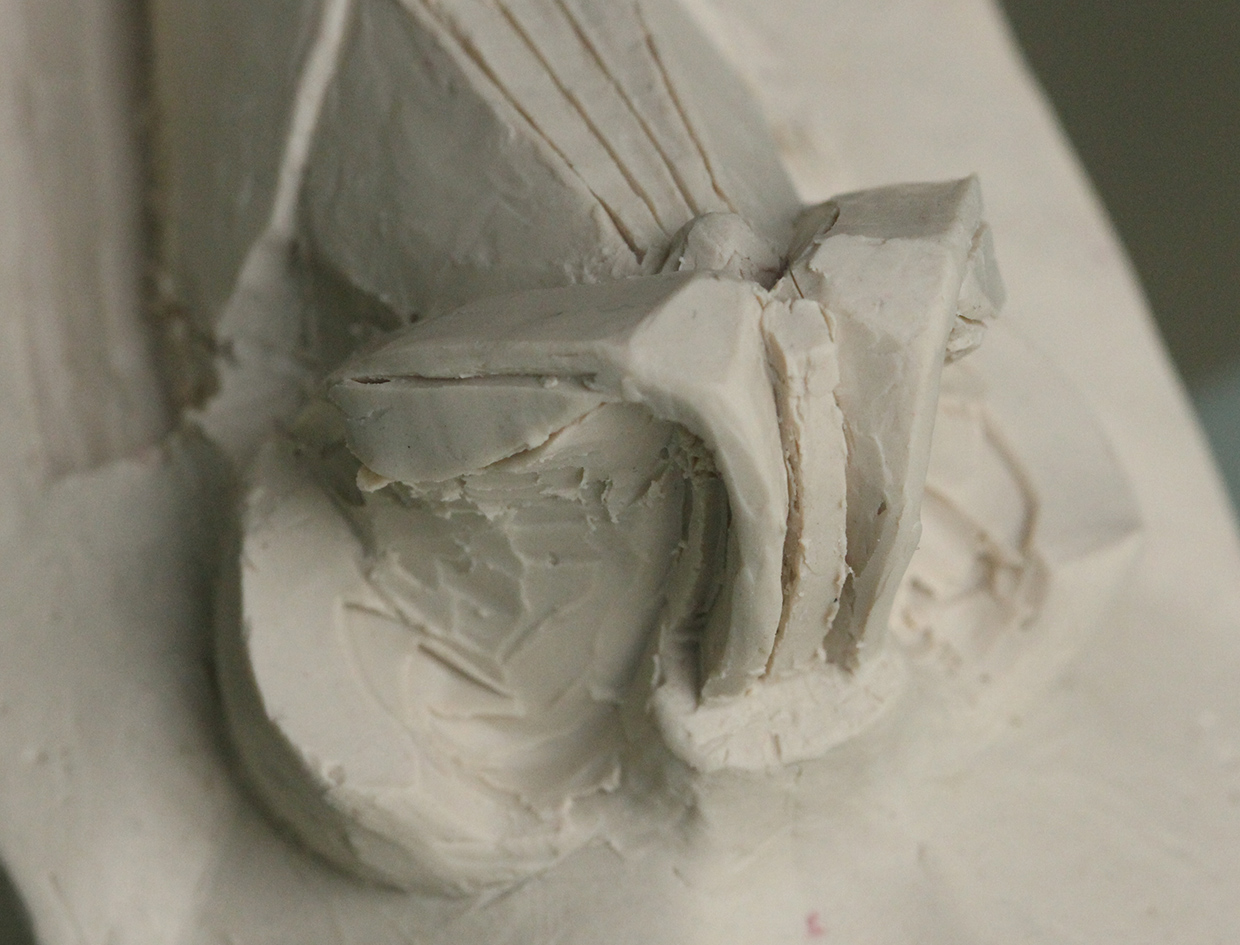
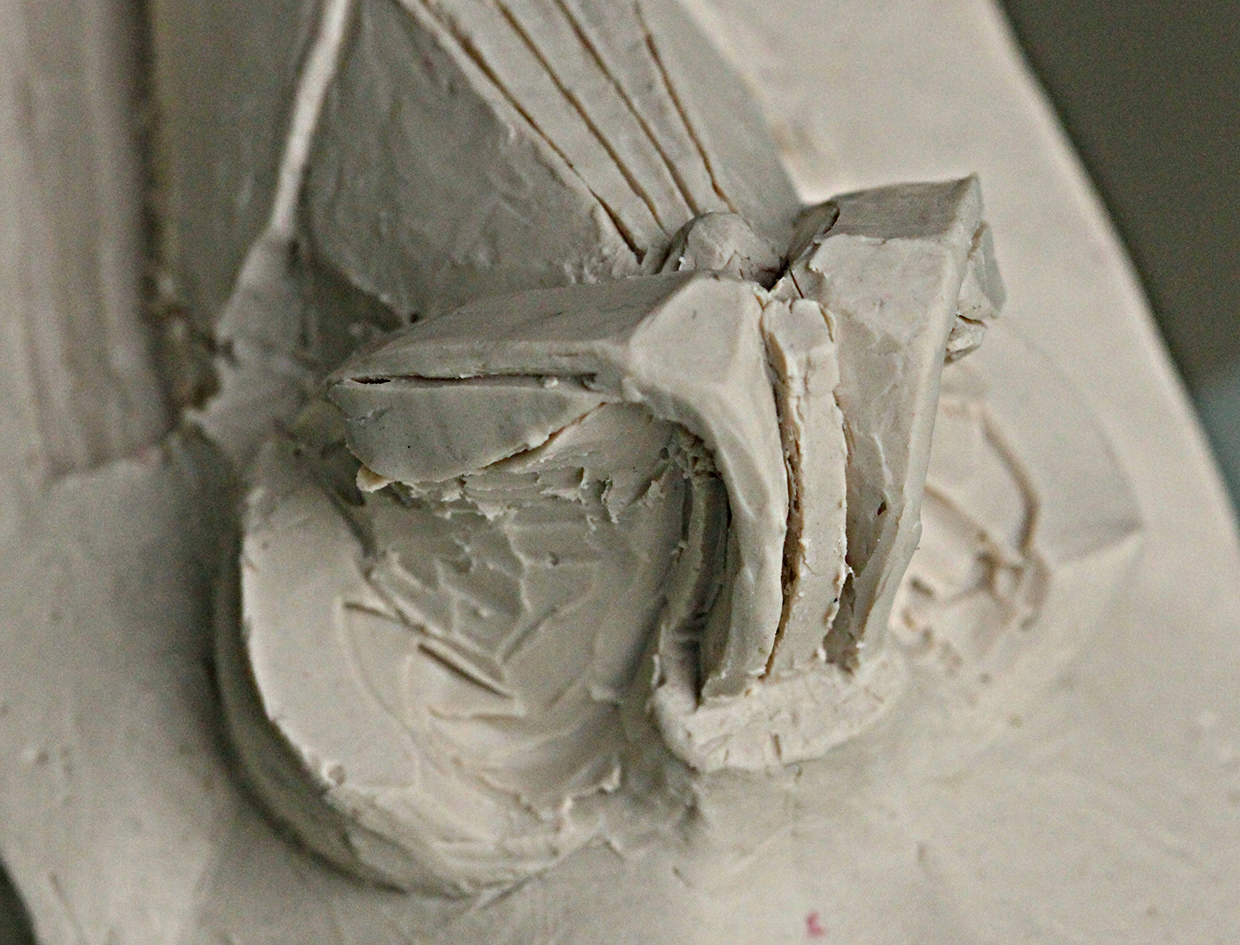
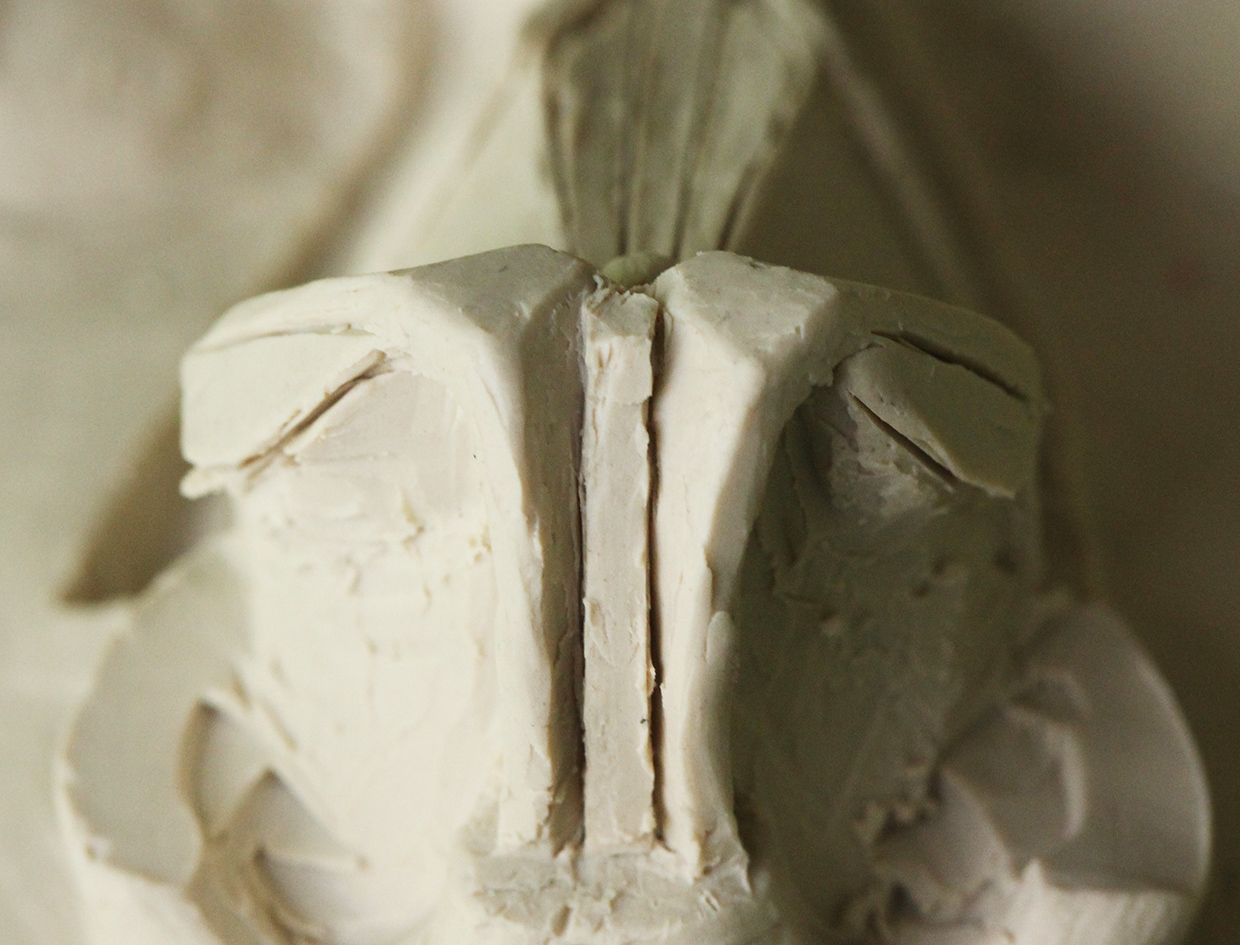
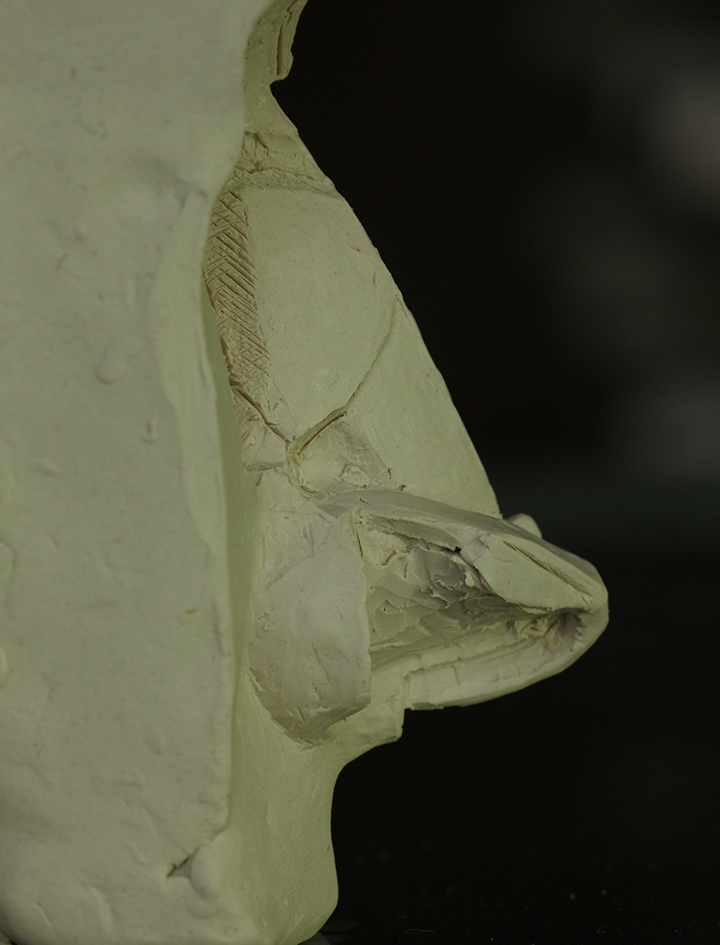
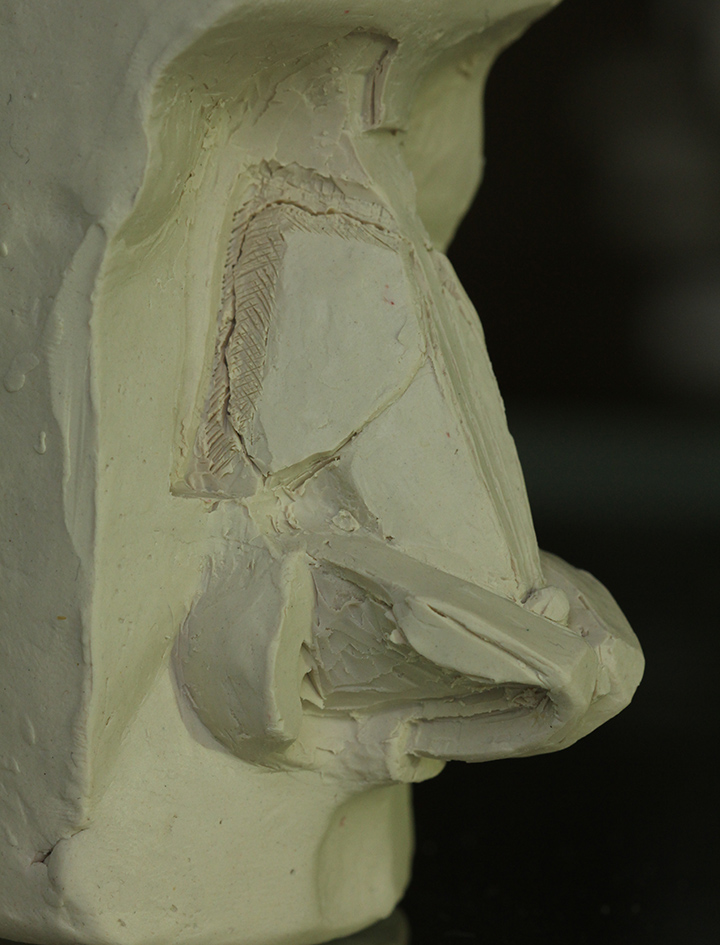
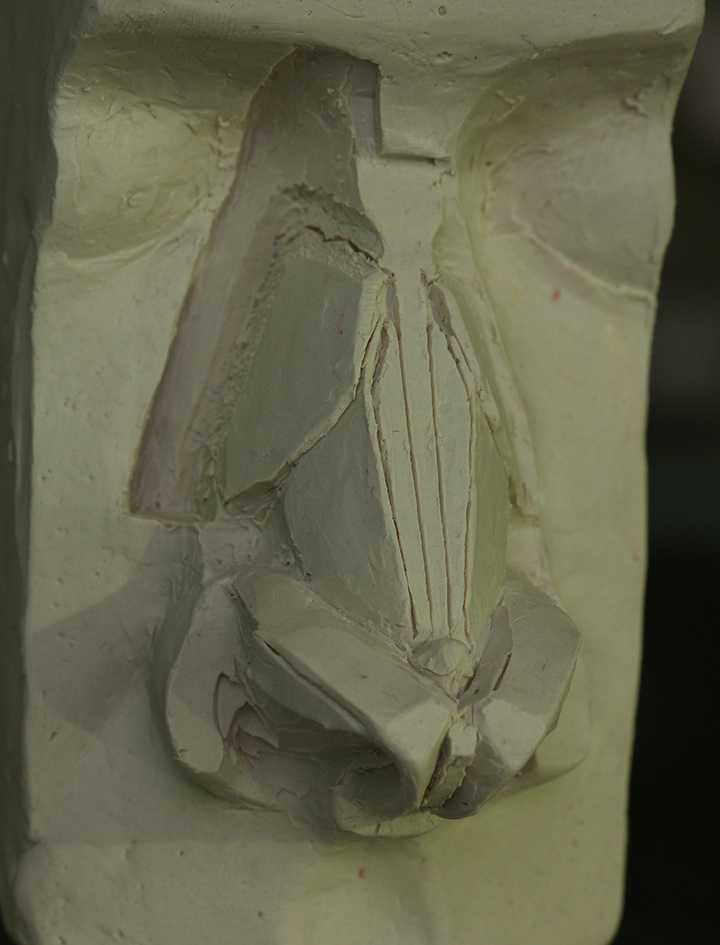
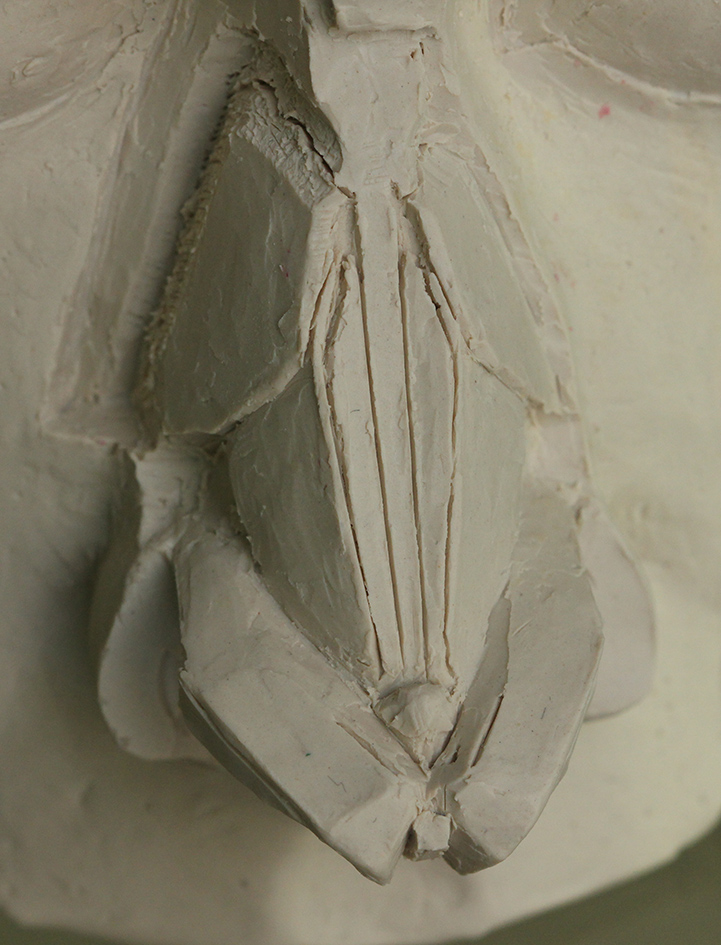
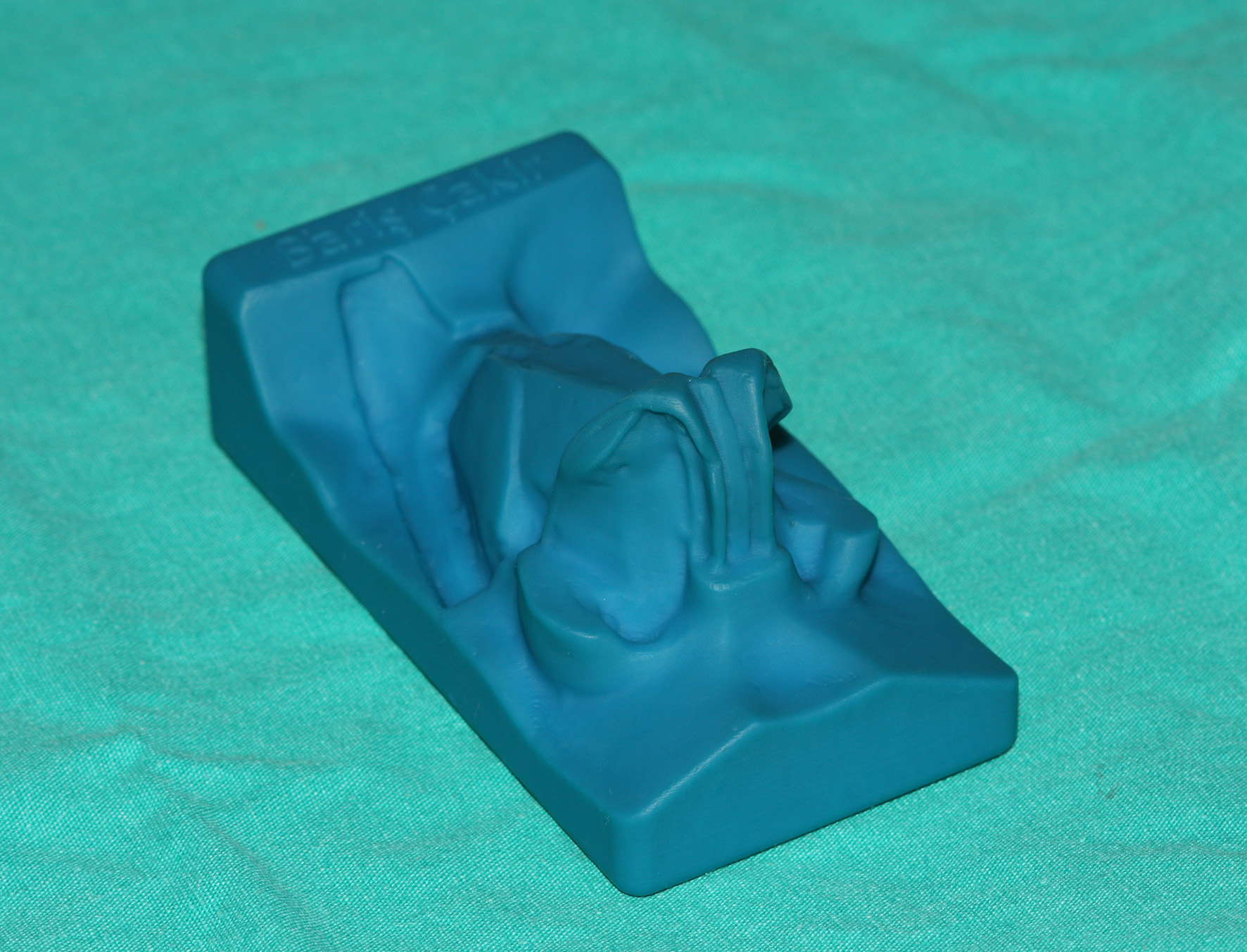
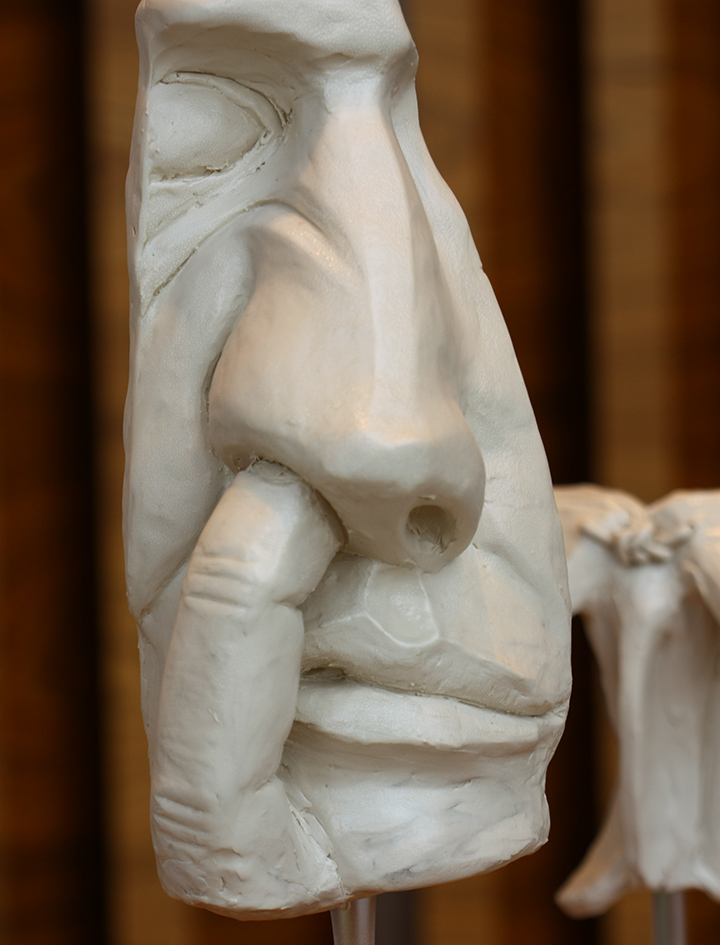
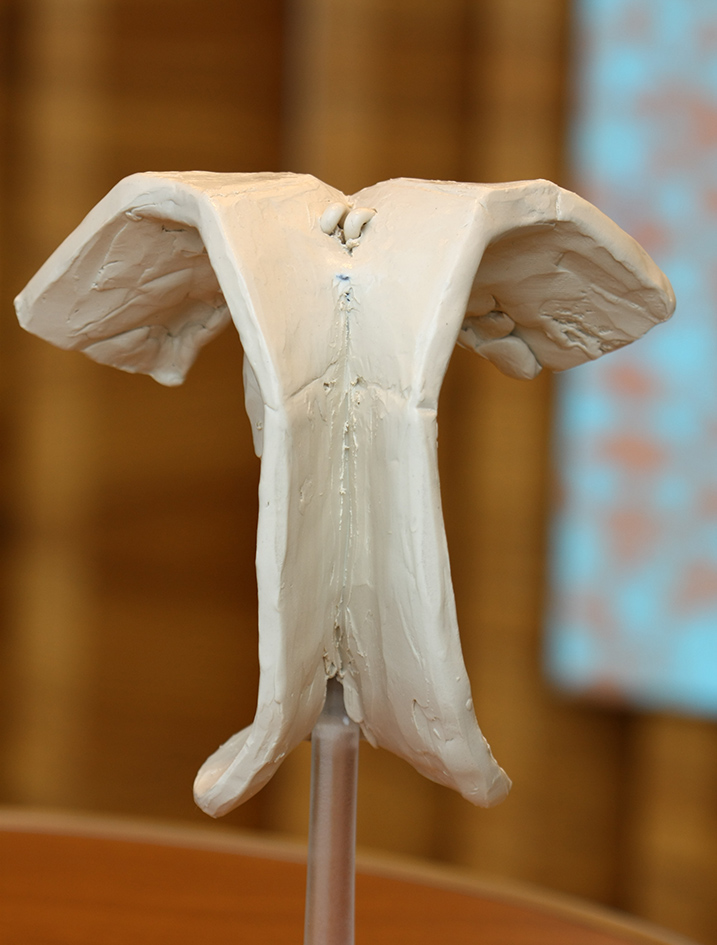
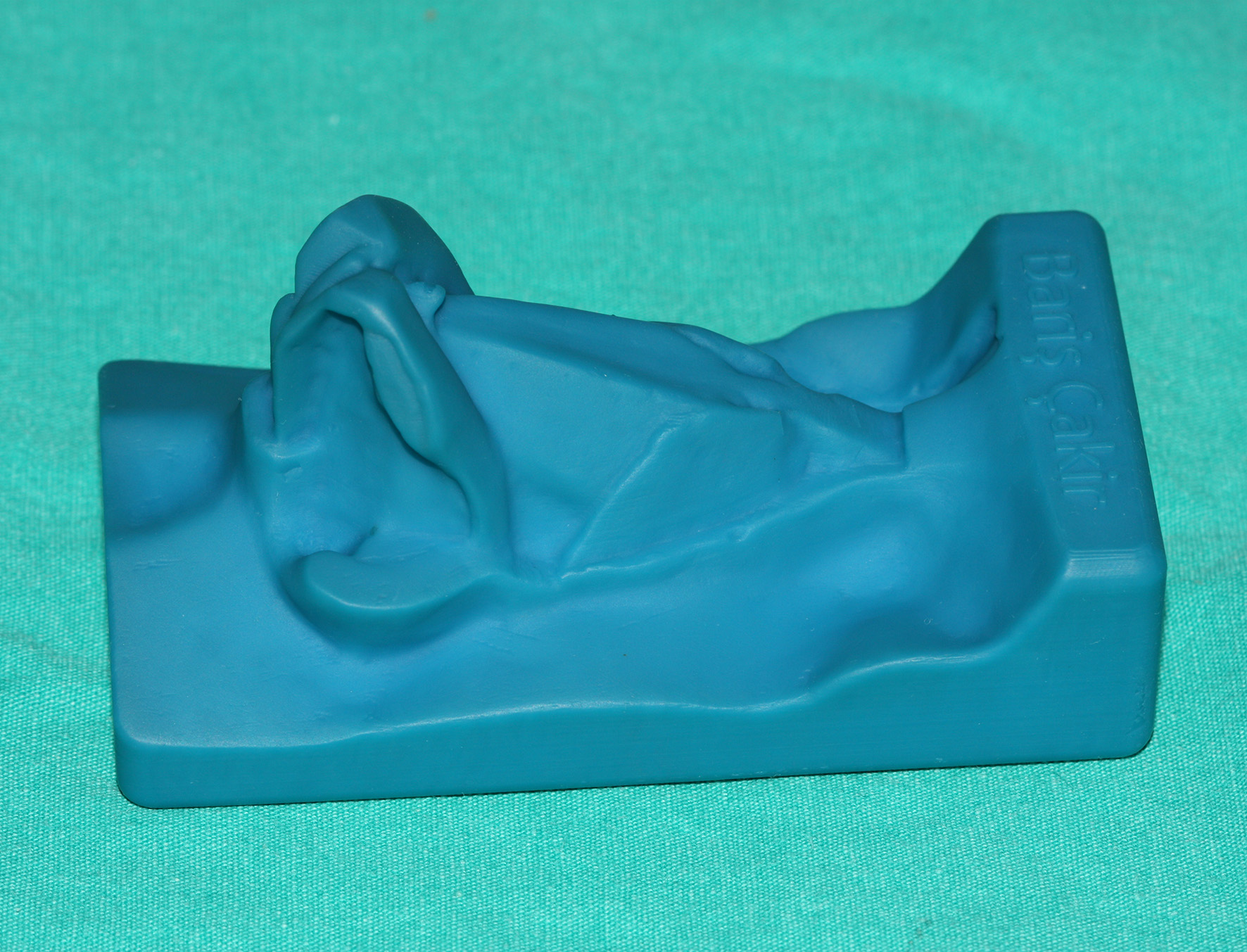
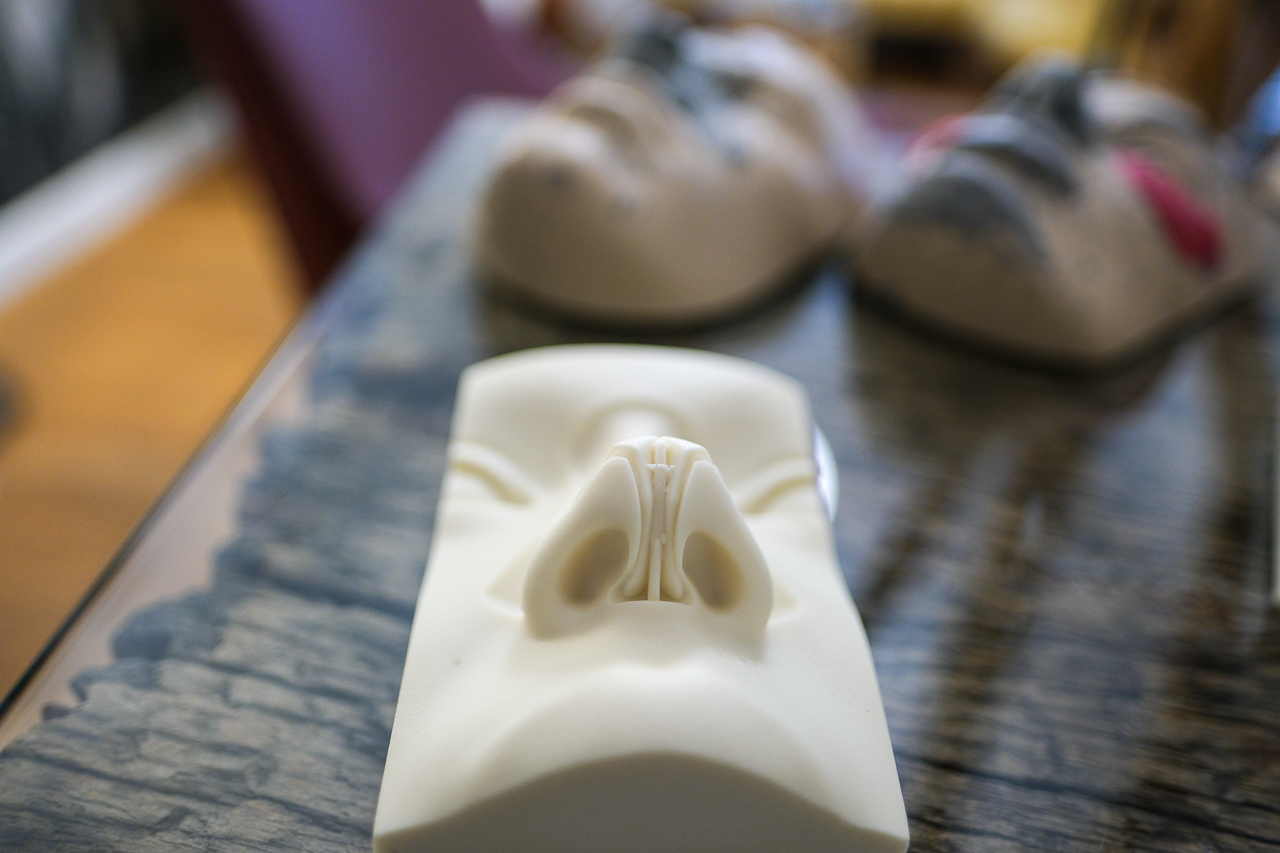
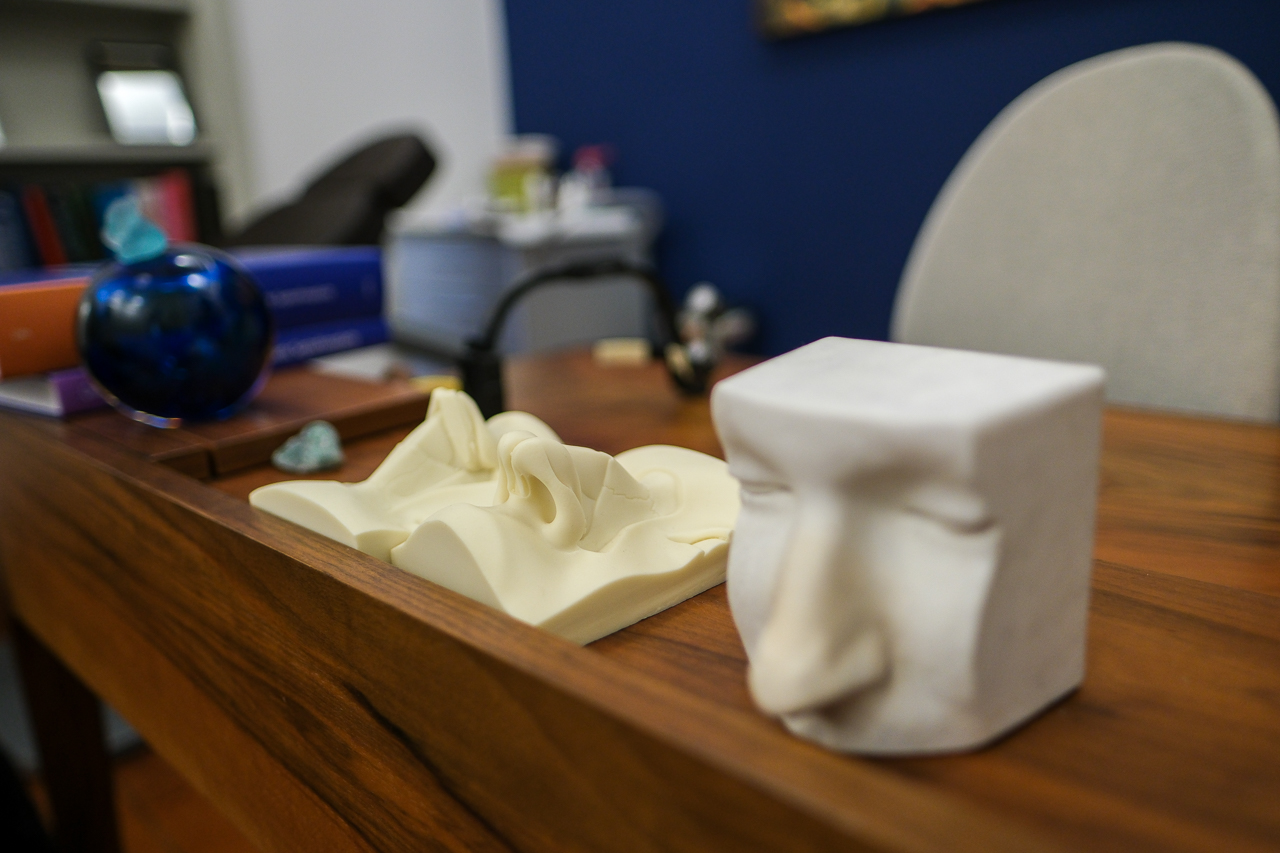
Polygon rhinoplasty is a design approach that evaluates the surface of the nose through geometric planes and the interplay of light and shadow. It brings together knowledge of anatomy with a design and sculptural perspective within a single framework.
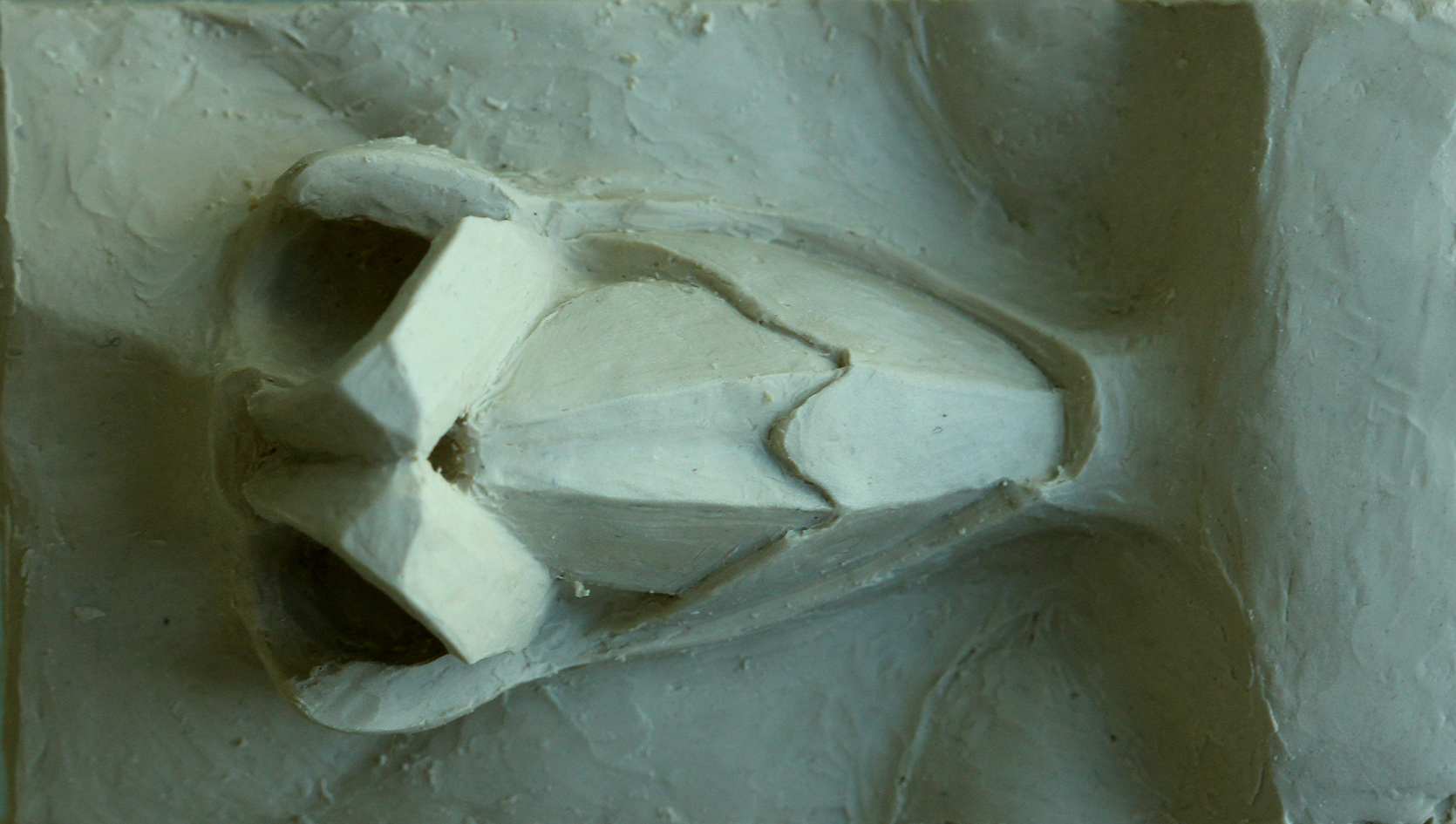
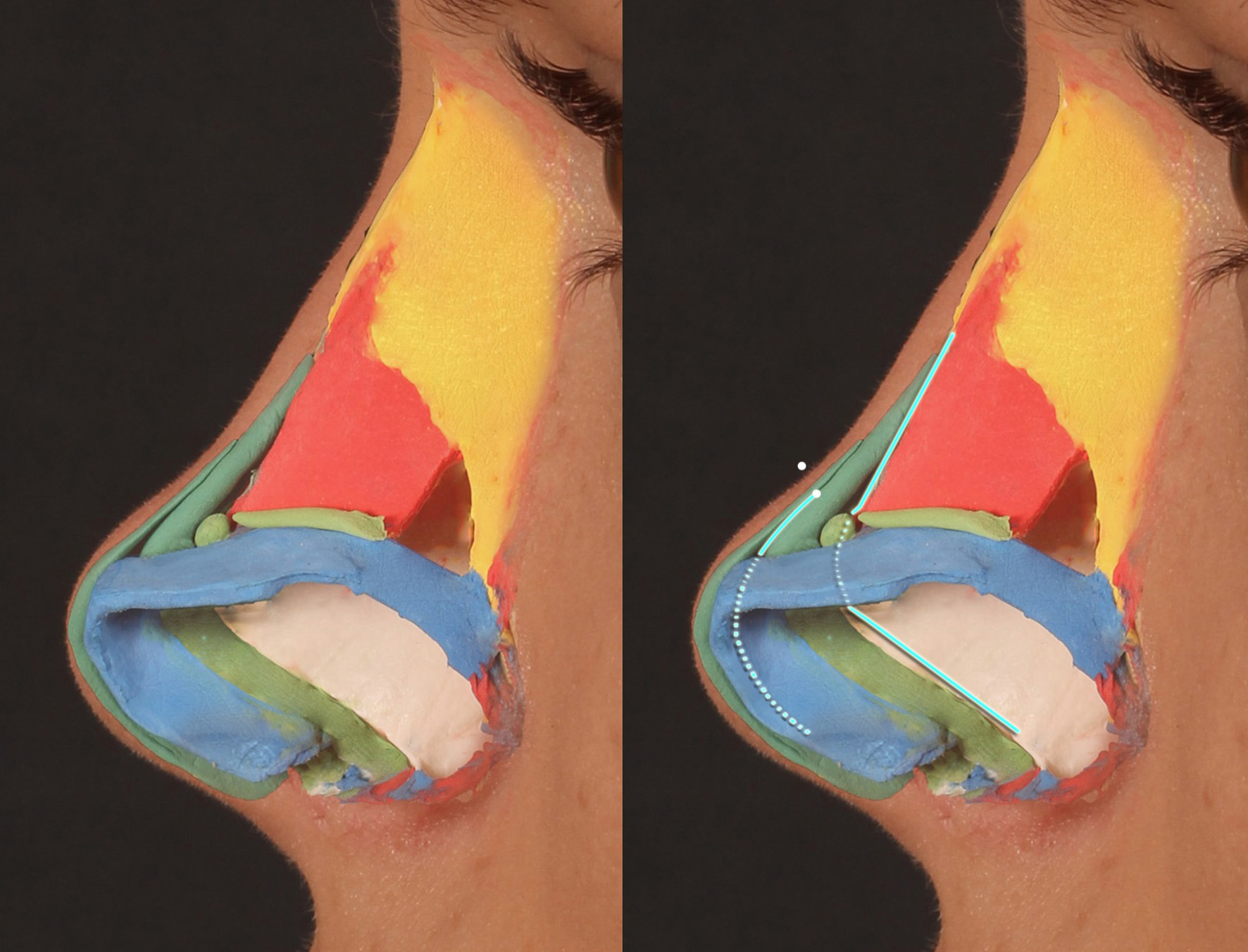
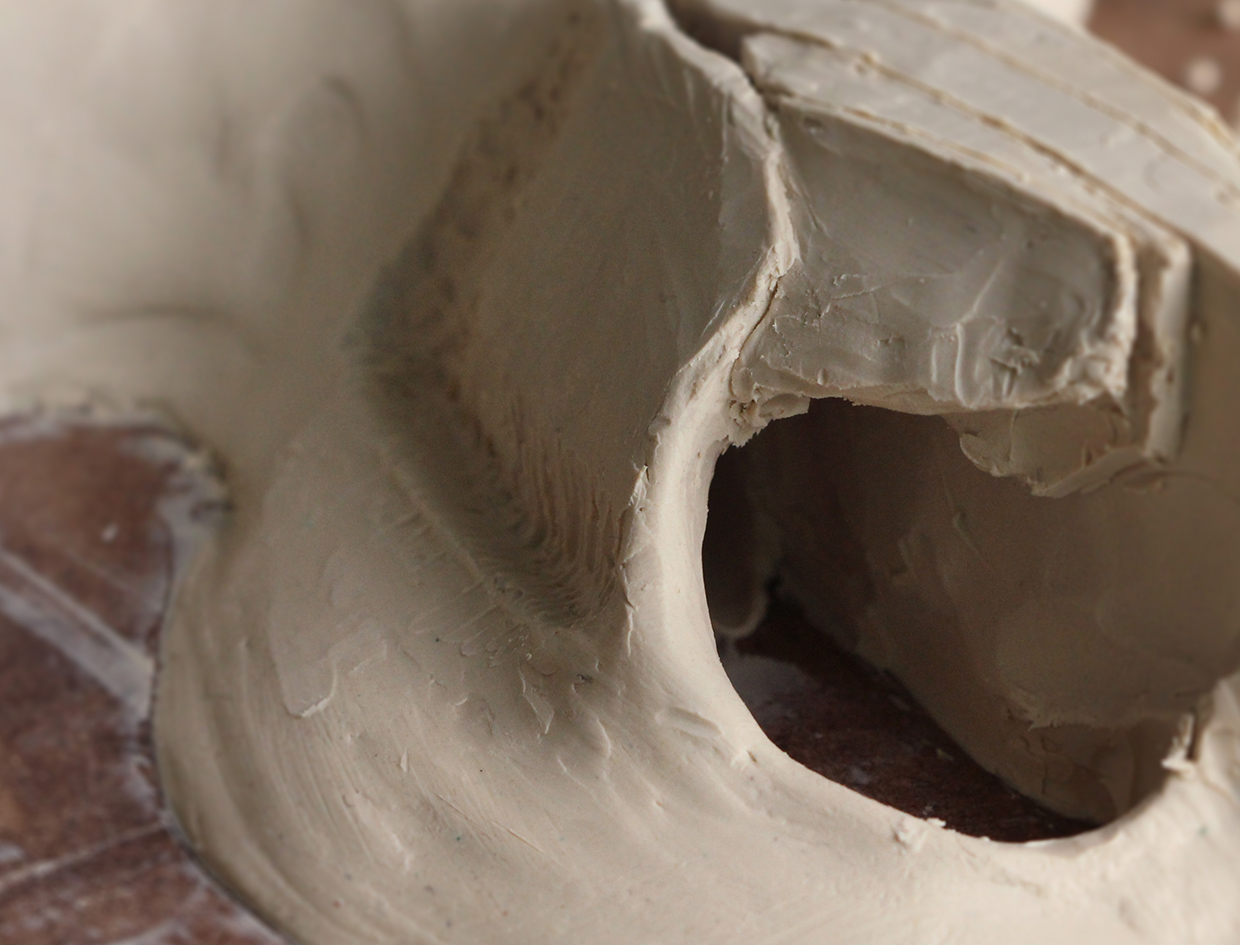
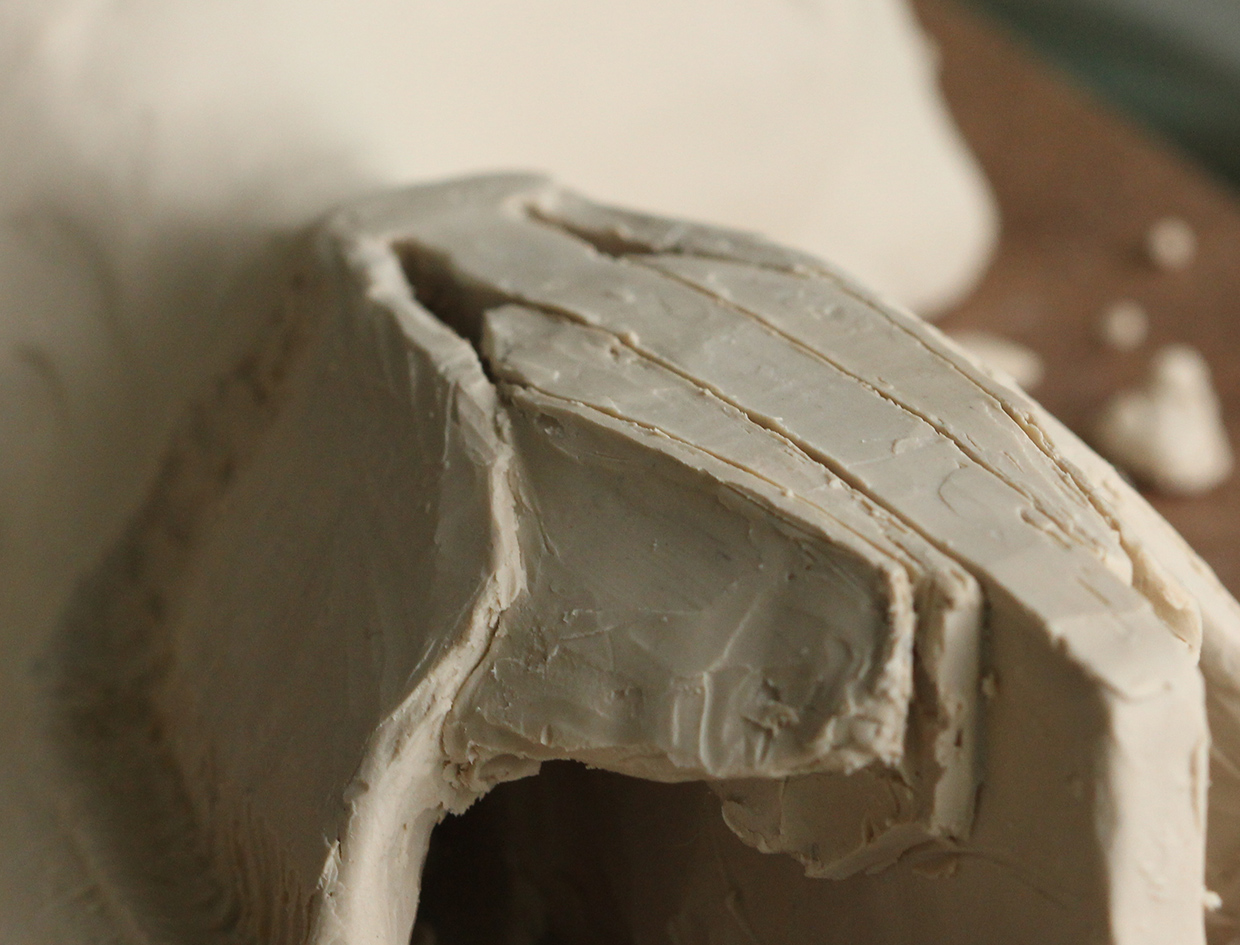
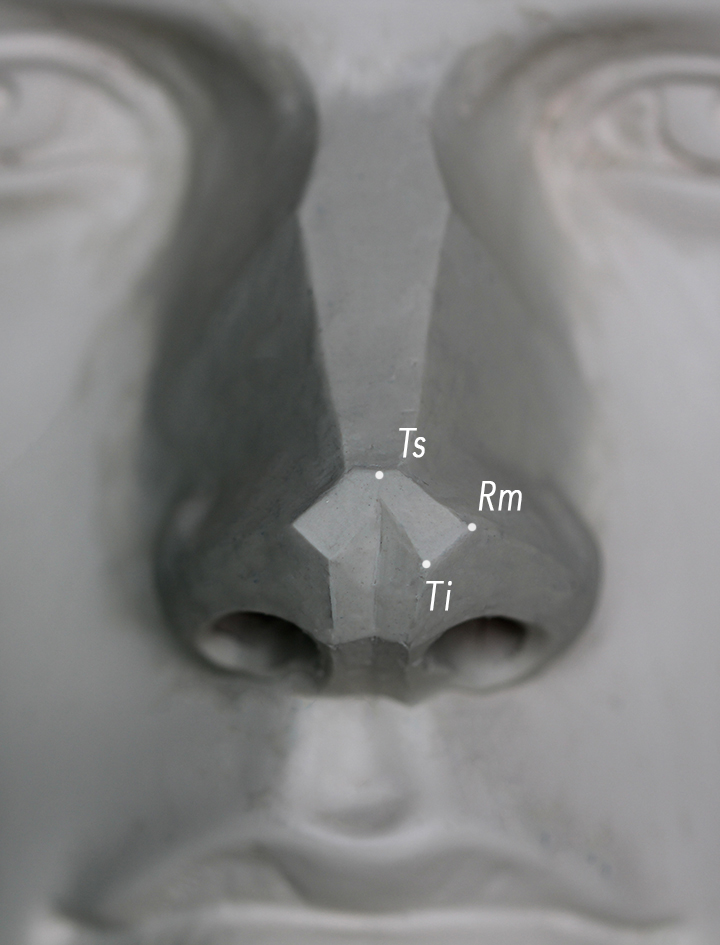
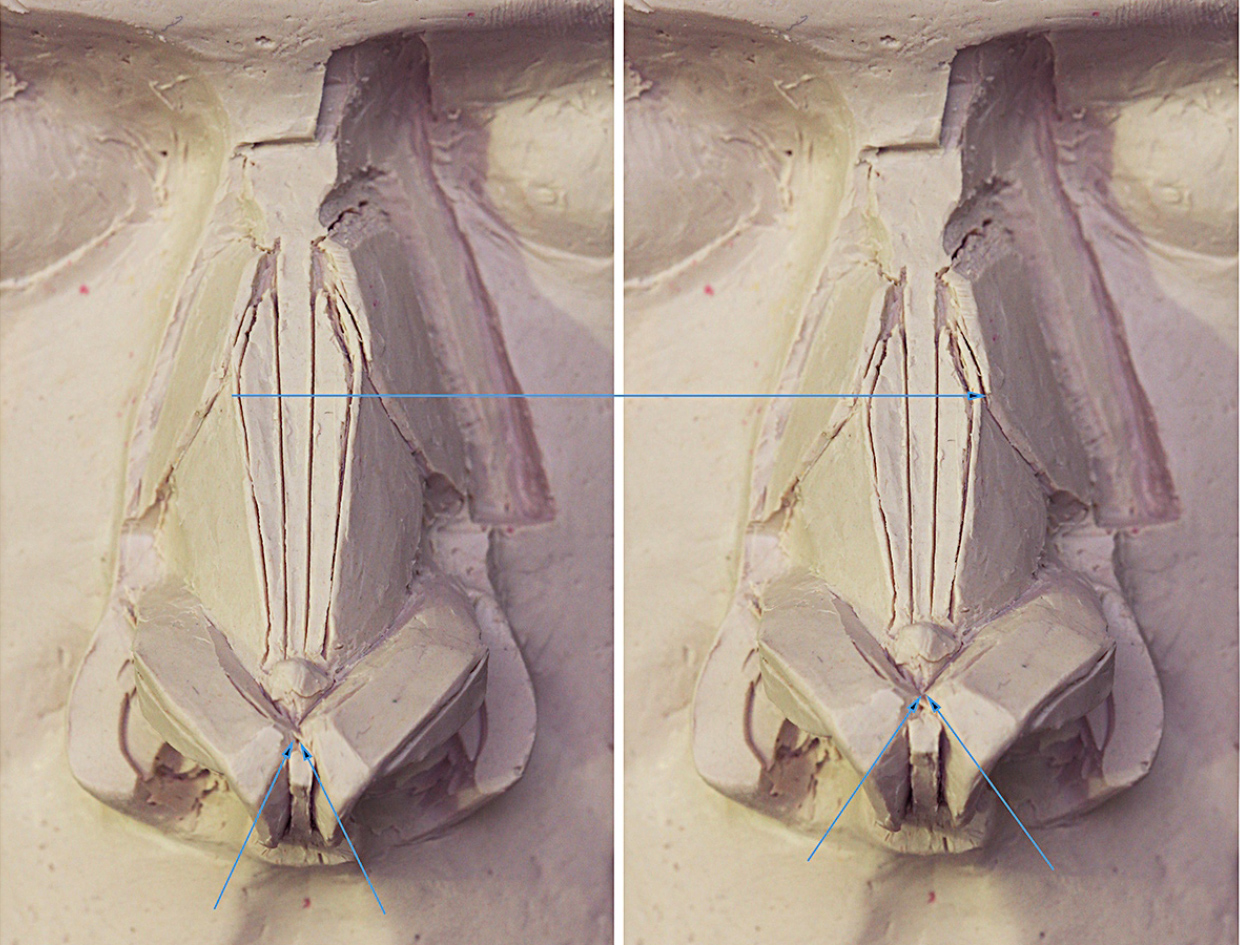
Çakır’s projection methods aim to evaluate the surface of the nose by dividing it into more easily identifiable sections. Light reflections, ridges, and transitions at the tip of the nose are analyzed in conjunction with the underlying cartilage structures and the soft tissues covering them.
01
What is the polygon approach?
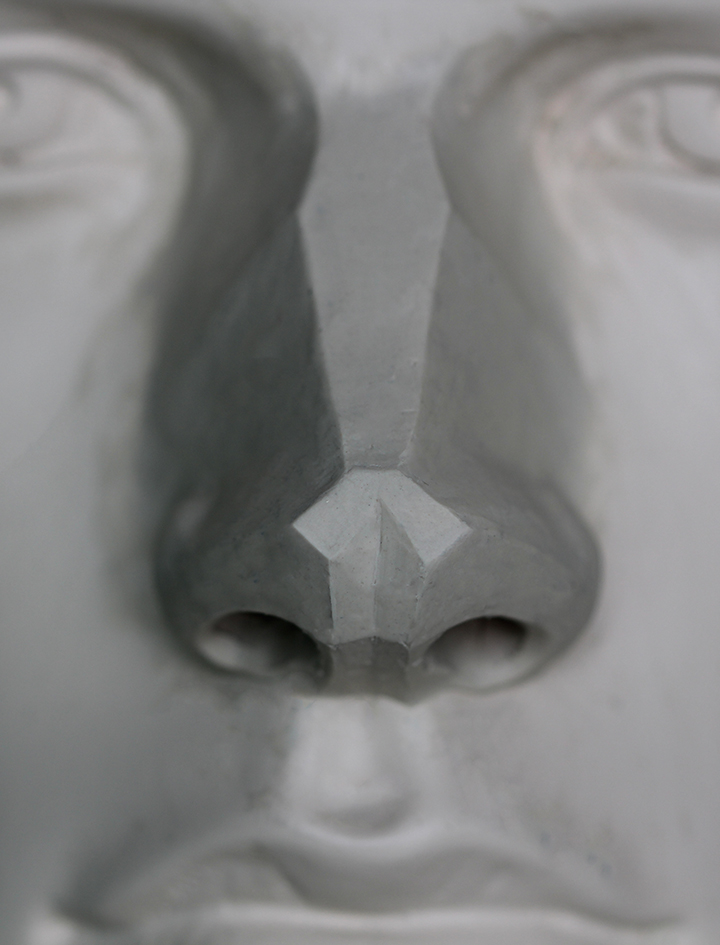
Triangles, quadrilaterals, and similar surfaces are visual tools used to examine complex organic forms. Evaluating the surface of the nose using these planes helps establish a connection between the form seen in the drawing and surgical anatomy.
02
The Relationship Between Light, Shadow, and Surface
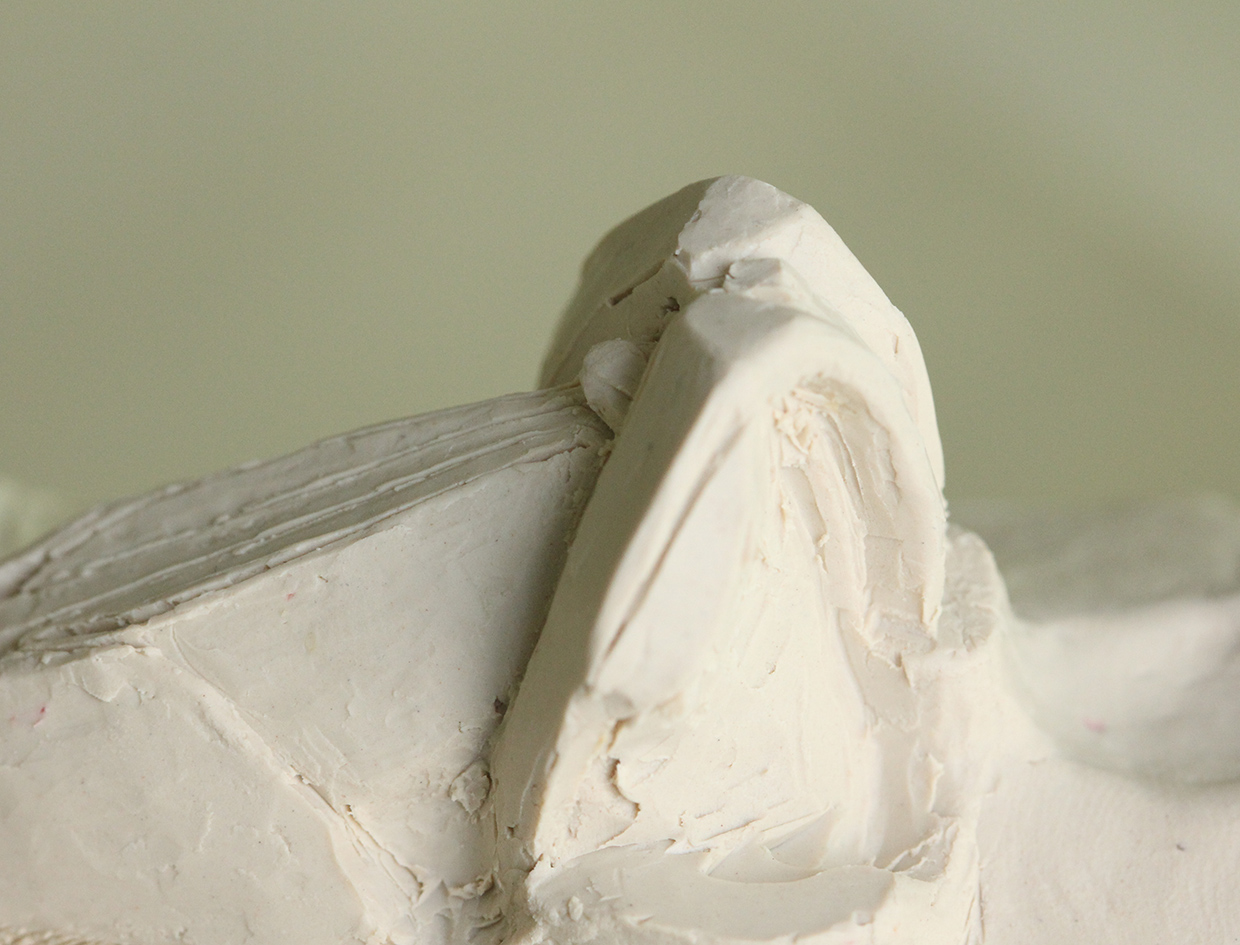
When viewed from different angles, the paths that light takes across a nose change. The bright areas at the tip of the nose, the shadows on the side walls, and the transitions between these areas are all part of the surface analysis. This assessment is not limited to a single photograph.
03
Cartilage and skin are evaluated together
The appearance from the outside does not depend solely on the shape of the cartilage. The skin and soft tissues also affect the surface. Surgical planning is carried out by evaluating the visible surface features in conjunction with the underlying anatomy.
04
Where Design Meets the Surgical Plan
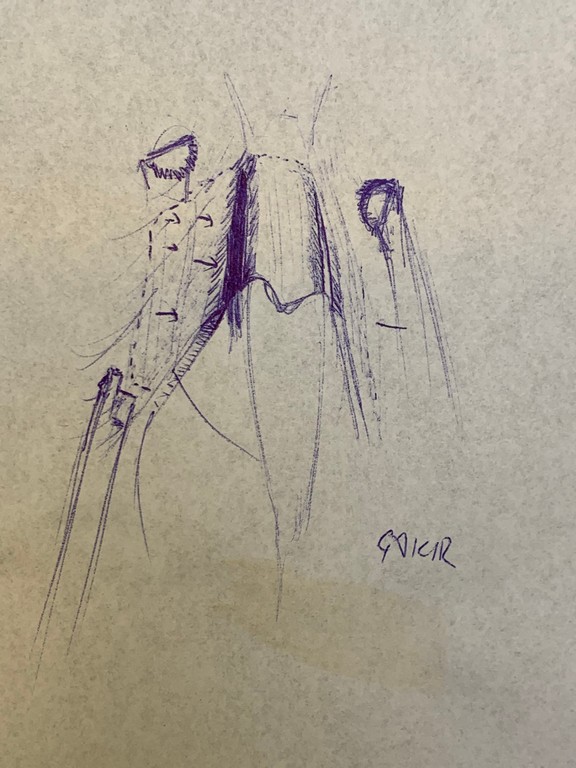
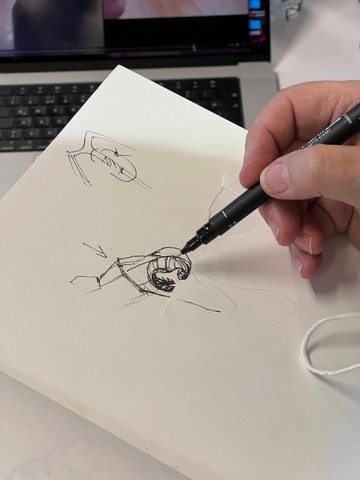
Sketches and 3D models make it easier for the doctor and patient to discuss expectations. Visual representations aid in planning; they are not a guarantee of the exact surgical outcome.
The third dimension of the form.
FREQUENTLY ASKED QUESTIONS
Is this approach used only for closed rhinoplasty?
Surface analysis is an assessment tool distinct from the choice of surgical approach. The method to be used is determined based on the patient’s anatomy and the surgical plan.
Do polygons look the same to everyone?
The appearance of surfaces varies depending on skin texture, anatomy, light, and viewing angle. Assessment is individual.
BARIŞ ÇAKIR / NİŞANTAŞI, ISTANBUL, TÜRKİYE
Let's discuss your questions together.
You can request an appointment to discuss your personal expectations and options.