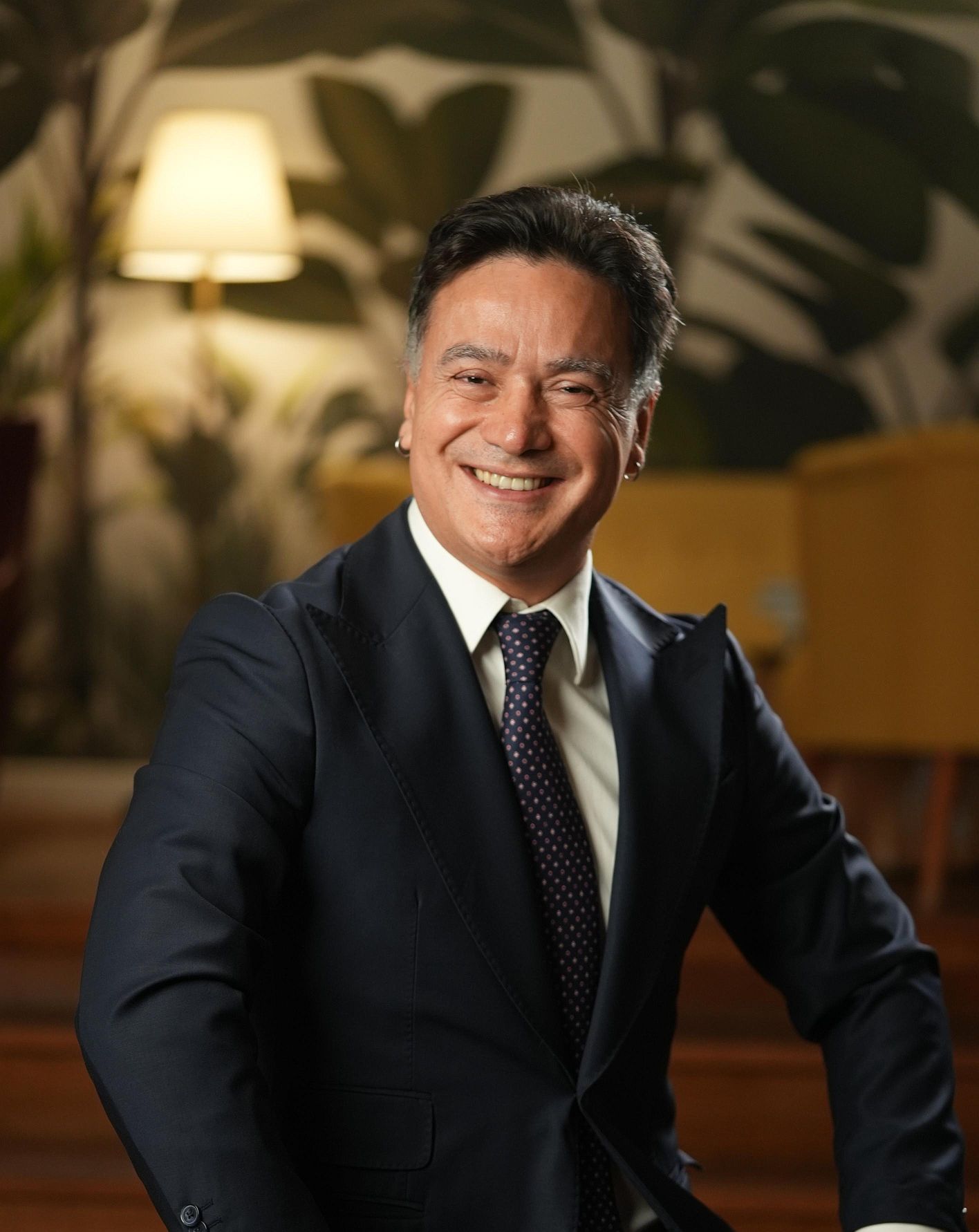
In the light of science, following in the footsteps of art.
A professional journey spanning technical training to microsurgery, and from design studies to rhinoplasty. Barış Çakır combines his knowledge of anatomy with his ability to think in three dimensions in his surgical practice.
Born in Adana in 1975, Barış Çakır attended Çukurova Elektrik Anatolian Technical High School. The four-year-long hands-on workshops he took there played a key role in his decision to pursue a career in surgery.
He enrolled in the Faculty of Medicine at Çukurova University in 1993. In 1999, he began his residency in Plastic, Reconstructive, and Aesthetic Surgery at Kartal Training and Research Hospital. During his residency, he focused on microsurgery and fingertip injuries in children.
The technique he developed for vascular anastomoses formed the subject of his residency thesis. He received first prize in the resident abstract competition in the experimental category at the 2004 National Congress of Plastic, Reconstructive, and Aesthetic Surgery. His study on muscle suturing techniques in cleft lip repair was also awarded first prize in the clinical category.
FROM HIS PROFESSIONAL JOURNEY
1993
Introduction to Medical Education
Çukurova University School of Medicine.
1999
Plastic Surgery Training
Kartal Training and Research Hospital; microsurgery and reconstructive surgery.
2004
Scientific research and professional exchange
Presentation of the vascular suturing technique at a national conference; a one-month internship with Dr. Serdar Eren at the Cologne Media Park Clinic.
Post-residency
Sculpture, Design, and Art History
Sculpture training at Süleyman Demirel and İnönü Universities; artistic projects accompanying surgical procedures.
ANATOMY / DRAWING / SCULPTURE
To be able to think in three dimensions.
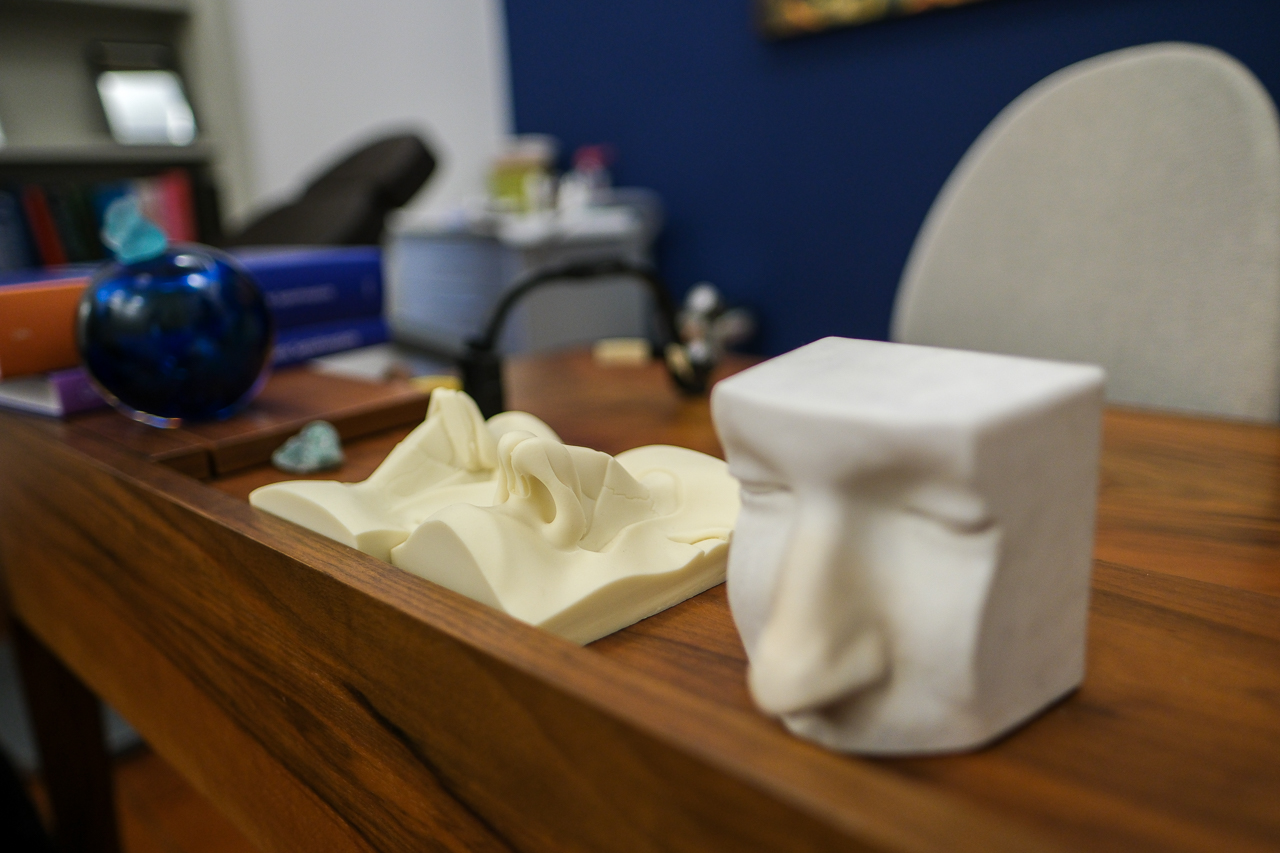
Sculpture and drawing offer a different perspective for evaluating surfaces, volumes, and proportions. Barış Çakır’s relationship with art is also reflected in his analysis of form and light in his approach to rhinoplasty.
Çakır’s polygon studies and work on surgical instrument design are examples of this connection between anatomy, visual analysis, and technical thinking.